Water Vole
🐹 Habitat: Slow-moving rivers, streams, ditches, ponds and wetlands with lush bankside vegetation
📍 Found in Britain: Scattered populations across the UK, though numbers are much lower than they once were
📏 Size: Around 14–22 cm long, plus a furry tail
🌿 Season: Can be seen all year round, although spring and summer are often the best times to look for signs
🦆 Wildlife Connections: Feed on grasses, reeds and other waterside plants, helping to shape wetland habitats and providing food for predators
👀 Look out for: Brown fur, a blunt nose, small ears hidden in the fur and a furry tail. Also look for burrows, feeding stations and neatly cut stems
🦸 Nature Superpower: Water voles are excellent swimmers and can stay underwater to escape predators or travel between feeding areas
✨ Fun Fact: One of the best signs of water voles is vegetation cut at a neat 45-degree angle, as though someone has been along with tiny garden shears!
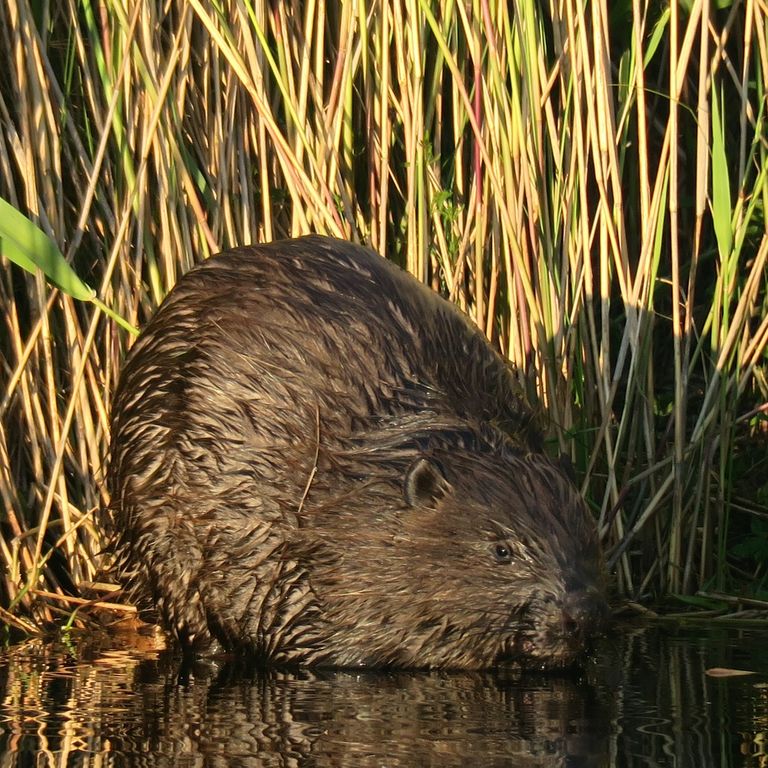
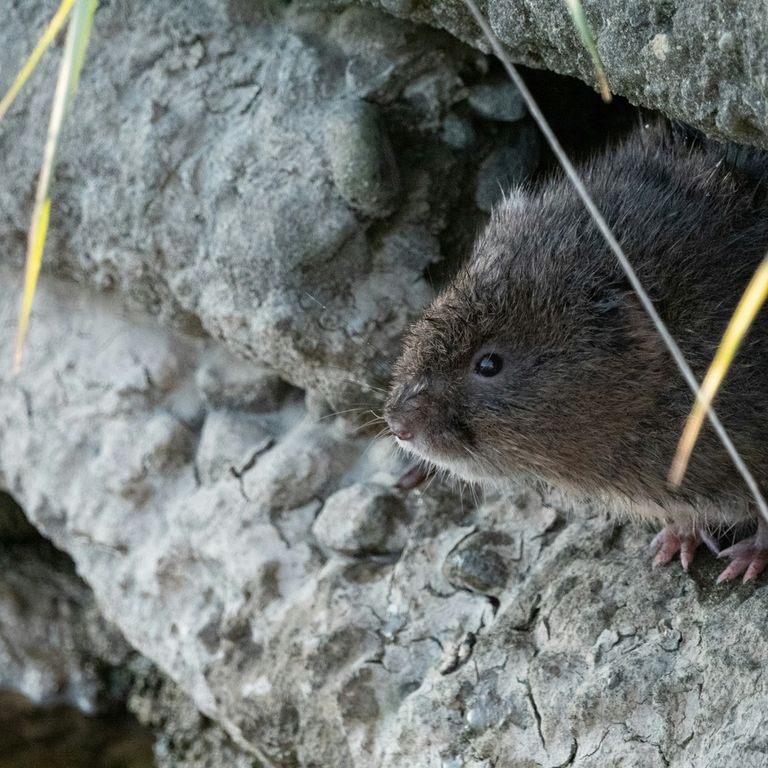
Britain's fastest-declining mammal and one of our most elusive. Look for nibbled stems, burrows and a tell-tale plop as they dive into the water.
Before we started exploring nature reserves properly, I don't think I'd ever given water voles much thought.
Then I read an article in a BBOWT magazine about the huge efforts being made to help them recover after their numbers had been devastated by the introduction of American mink. Suddenly, they seemed to pop up everywhere in nature reserve leaflets, interpretation boards and wildlife guides. The more I learnt about them, the more determined we became to spot one.
Since then, every walk alongside a river, stream or ditch has involved at least a little bit of water vole detective work.
One of the best clues is listening for a distinctive "plop" as a startled water vole dives into the water. The trouble is, you have to be patient. Water voles are much more likely to hear you before you hear them.
We were particularly hopeful at Lashford Lane Nature Reserve. There were plenty of promising-looking burrows in the riverbank and lots of suitable habitat. Unfortunately, we'd already walked quite a long way that day and Little Leopard was reaching the end of his patience reserves. Water vole watching requires a level of stillness and quiet that can be difficult after several hours of adventuring!
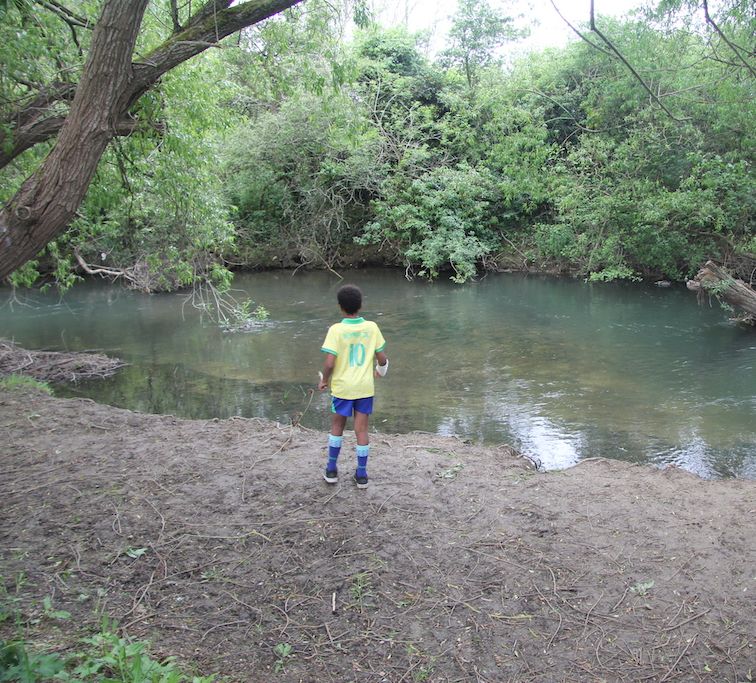
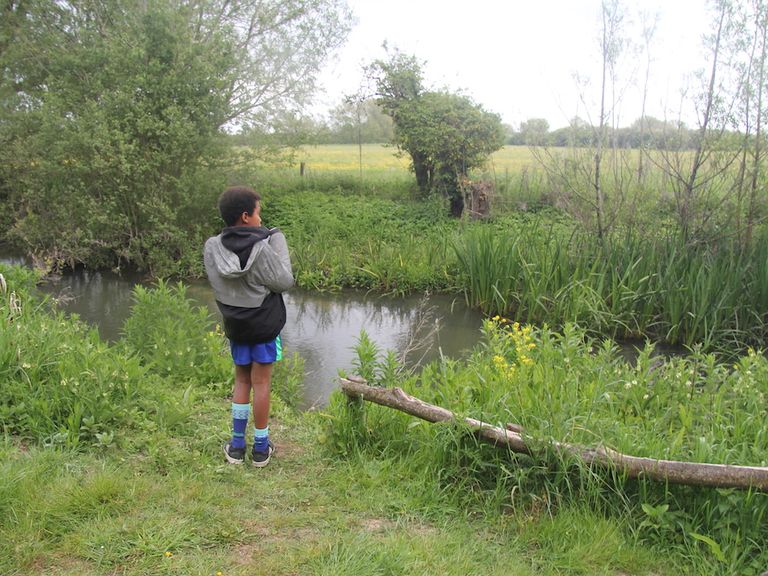
Our most exciting encounter so far happened at Witney Lake and Country Park. We were carefully scanning the riverbank when Little Leopard suddenly spotted a small mammal scurrying along the opposite side of the water.
He was absolutely convinced it was a water vole. Unfortunately, my DSLR camera chose that exact moment to focus beautifully on the leaves in the foreground instead of the animal we'd been searching for. The photos were completely useless for identification. To this day, we can't say with absolute certainty what he saw. But Little Leopard remains adamant that it was a water vole, and I have to admit it certainly sounds promising.
Part of the fun of wildlife watching is that not every encounter comes with certainty. Sometimes you're left with a mystery, a blurry photograph and a story.
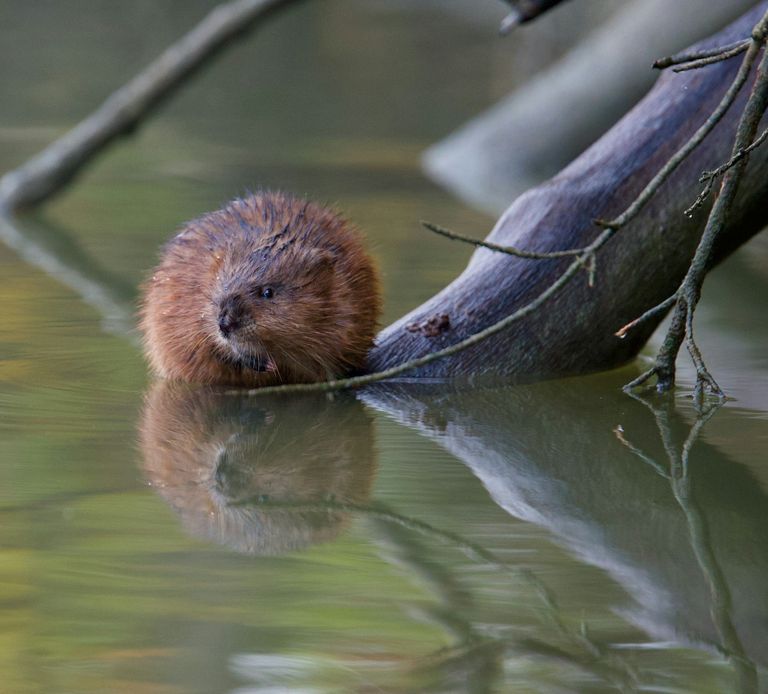
One thing we've learnt is that you don't always need to see a water vole to know they're nearby. In fact, many people find signs of water voles before they ever spot the animals themselves.
One of the easiest clues to look for is neatly chewed vegetation. Water voles have a habit of cutting grass stems at a distinctive 45-degree angle, leaving behind little piles of chopped vegetation known as feeding stations. Their burrows can also be visible in riverbanks, usually with entrances just above the waterline.
We're hoping to improve our chances soon with visits to Chimney Meadows, Ewelme Watercress Beds and Abbey Fishponds. All three are places where water voles have been recorded, and we're keeping our fingers crossed that one day we'll finally get the clear view we've been hoping for.
Until then, we'll keep listening for splashes, scanning riverbanks and checking every suspicious-looking burrow we find.
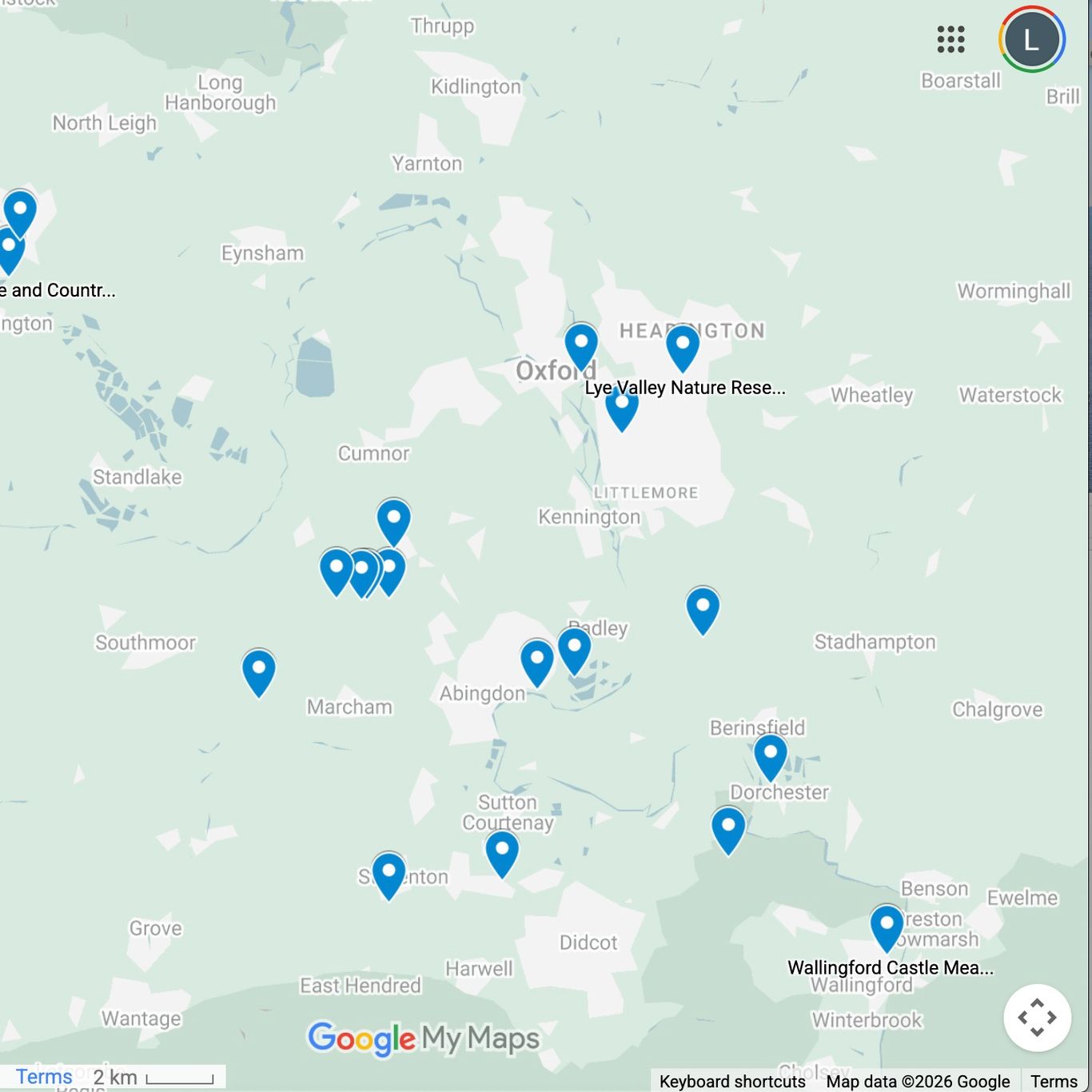
Where we (possibly) spotted it
Why not try this Oxfordshire Nature Adventures to see if it really was a water vole we saw? Or head here for more inspiration
May 2026 · Nature Reserves · Free
Witney Lake & Country Park
A beautiful amble alongside the River Windrush, looking and listening out for Water Voles.
Find your nearest Adventure
Please note - this map works best on desktop so that you can enjoy filtering by type of adventure, and clickable links.