Making Nature Biomes
A family nature activity that minecraft loving kids will love, bringing rainforest, desert and woodland biomes to life on their windowsill.
Nature Biomes
🌍 Activity Type: Nature investigation • Long-term observation • Creative habitat building
⏱️ Time: 1–2 hours to build, then months (or years!) of observing
🎒 You'll Need: Glass jars or aquarium, gravel or stones, peat-free compost, sand, moss, sticks, suitable plants, spray bottle or watering can
🧼 Mess Rating: ⭐⭐⭐⭐☆ (4/5)
👀 Senses Engaged: Sight · Touch
🌱 Nature Links: Habitats • Ecosystems • Adaptation • Plant growth • Water cycle • Decomposition • Soil
😊 Difficulty: Medium
Creative · Child-led · Horticulture
Bring a whole habitat onto your windowsill.
Along with the rest of the world, we've spent a lot of time playing minecraft. Little Leopard is working on several zoos and biomes that at some point he'd love to share.
I saw some free large ikea glass jars on facebook near us, and my mind whired into gear. How lovely would it be to try bringing those biomes to live on our windowsills.
Little Leopard jumped at the chance, he said he'd love to do a rainforest, desert and woodland biome so I got busy figuring out what I'd need to source, what we already had, and what we could sustainably forage from the local area.
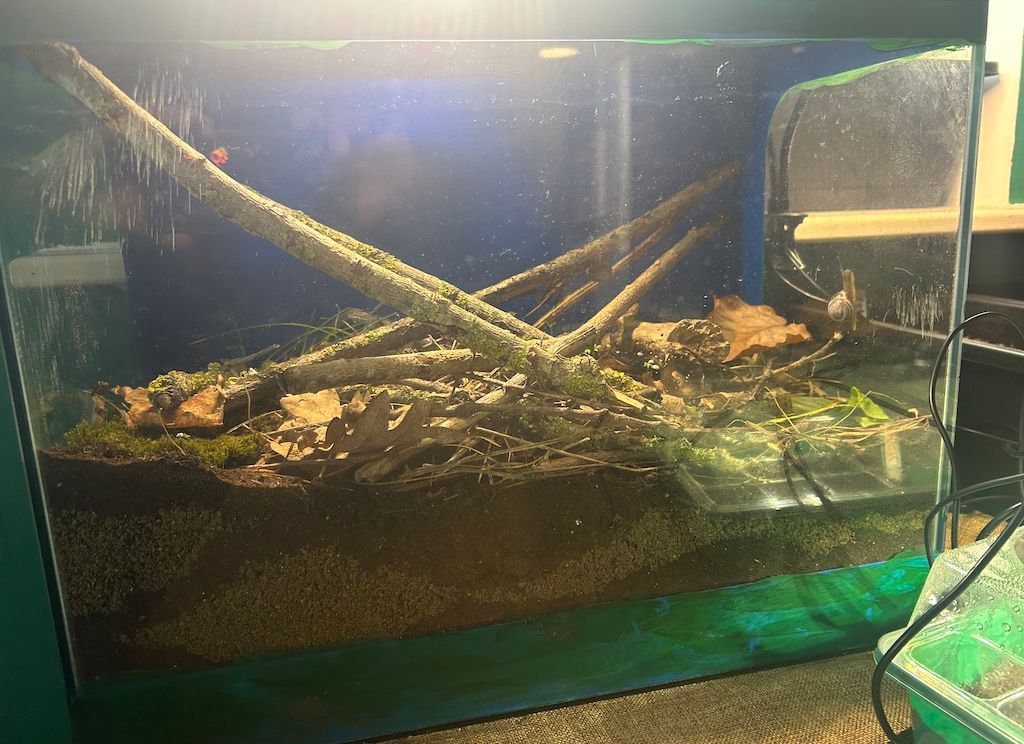
The first thing was the containers. We picked up 2 Ikea jars for free, and then I asked my mum if we could have the old fish tank that's been sitting unused in her garage. (It's over 30 years old).
It's not the perfect way to do it, but we're not professionals, and I didn't want to buy a load of different substrate layers, so I ordered:
· one bag of agricultural sand · one bag of peat free potting soil · one bag of aquarium gravel.
WOODLAND BIOME
Little Leopard was keen to use the tank as the woodland biome and convert it into a temporary home to observe snails and other minibeasts. So I cut out a section from the top and securely taped insect mesh onto it so that nothing unwanted can get in or out.
Woodland biome substrate layers:
4cm layer of stones followed by alternating layers of soil and sand.
We then gathered stones, moss, sticks from our local area, making sure to gather plant life from verges and cracks in pavements to minimise disruption to wildlife.
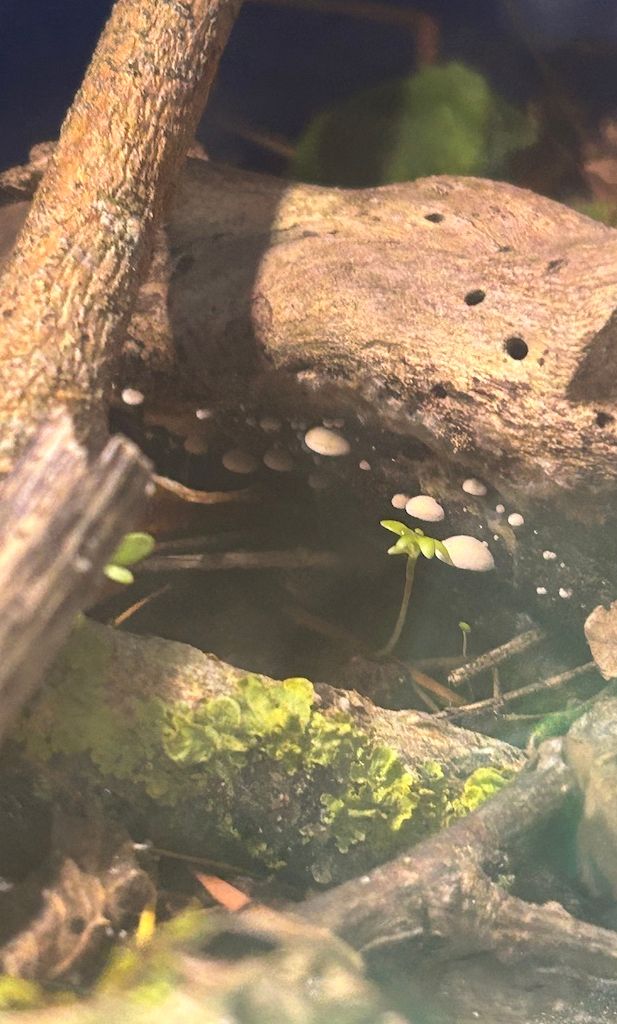
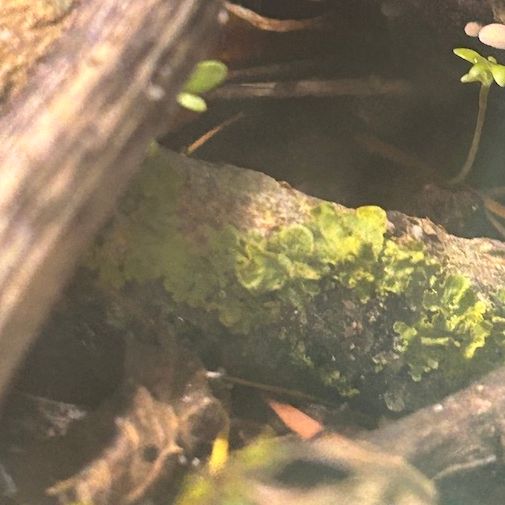
Once it was set up, we watered it, threw in a few seeds from our collection we already have. It's making a wonderful low-key experimentation, observation tank. Some of the seeds have grown. It was pretty magical when fungus started growing on the branches.
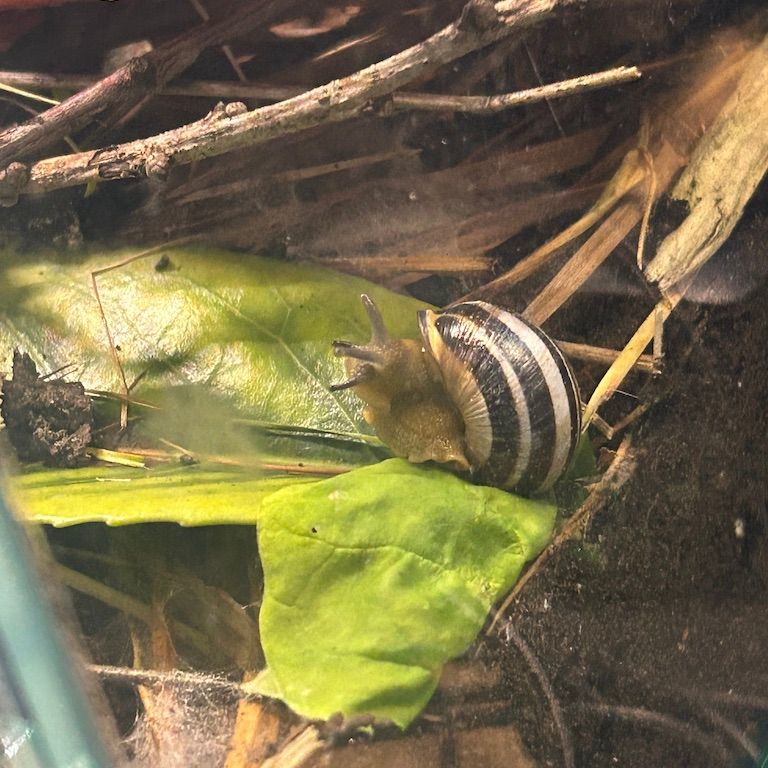
We put a couple of snails in the tank temporarily to observe their behaviour. Little Leopard loved collecting broken egg shells we found on the ground and putting those in the tank. (Snails need egg shells to make their own shells).
DESERT BIOME
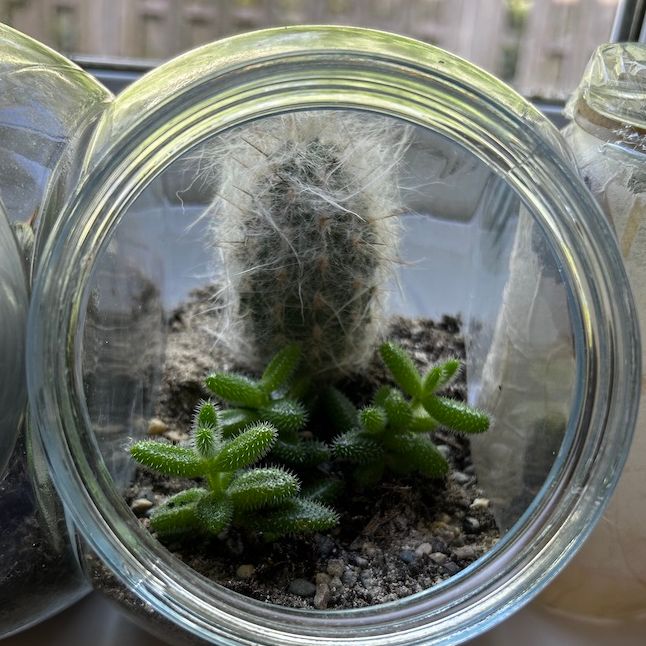
We used one of the Ikea jars that we'd picked up from facebook, putting it on it's side.
Desert biome sustrate layers:
3cm of stones followed by 3cm sand, then 4cm of 1:1 sand and soil mix.
We planted a cactus, and succulents, and gave it a light water. It now enjoys living in a sunny spot, with the lid off, and a bit of water every now and then (when we remember).
RAINFOREST BIOME
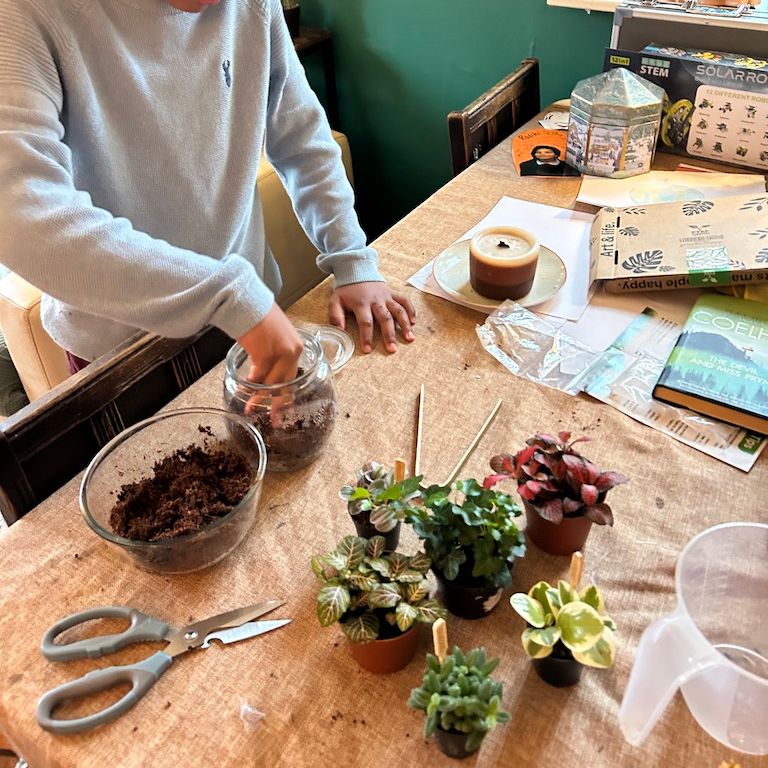
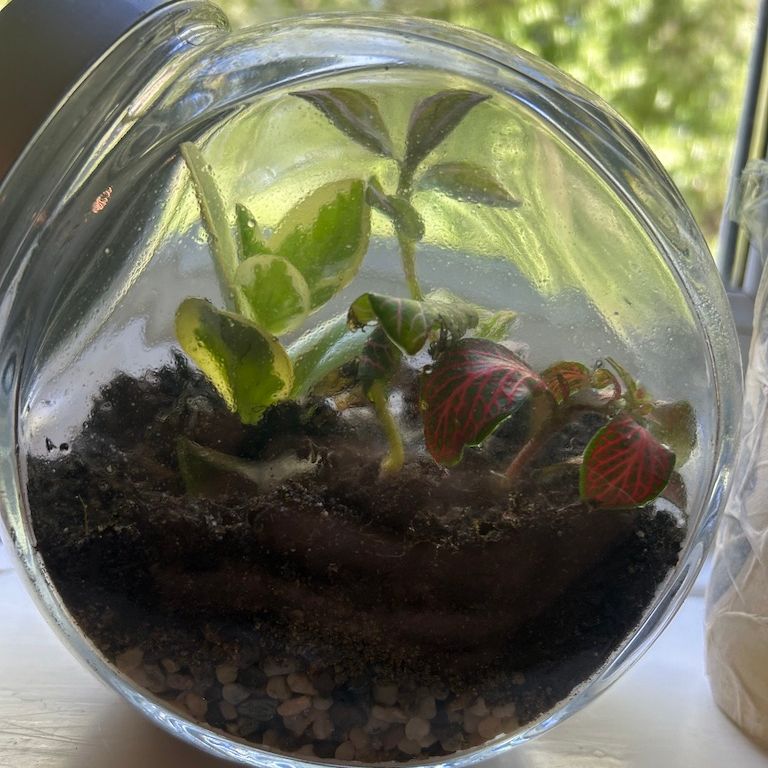
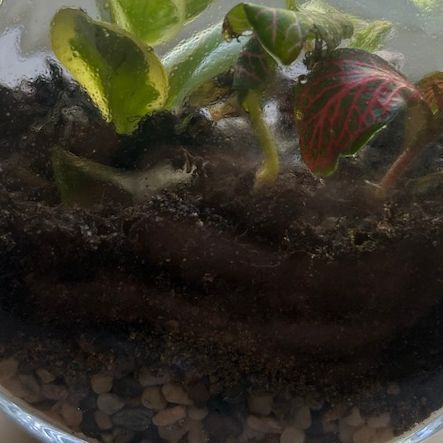
Little Leopard used his christmas money to buy some plants at a local garden centre, this seemed like a great place for some of them to live, including the fittonia.
Rainforest biome substrate layers:
3cm layer of stones, 1cm agricultural sand, 7cm potting soil.
We lightly misted it, closed the jar lid and have left it on the windowsill ever since. It's a great activity for learning about the water cycle, watching it mist up, and then the water clear away again. It's also lovely to see all the roots creeping down the soil and into the stones, from the side of the glass. Something that we can't see when they're hidden away in plant pots.
Adapt it
Younger Children
Focus on one simple habitat.
A woodland jar filled with moss, sticks and stones is often enough to spark curiosity without becoming overwhelming.
Spend time looking for tiny changes each week rather than worrying about building the perfect biome.
Older Children
Challenge them to think like an ecologist.
Why does each habitat need different plants?
Why is the rainforest sealed while the desert stays open?
How does water move around the rainforest jar?
What changes can you record over several months?
Older children could keep a habitat diary, sketching or photographing changes each week.
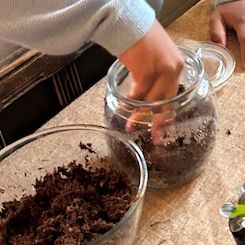
Sensory
Take time collecting the materials.
Feel the rough bark.
Compare dry sand with damp compost.
Crush a little moss between your fingers.
Smell the woodland after watering.
Listen for tiny creatures while gathering natural materials.
Building the biome becomes just as memorable as watching it afterwards.
Your next adventure
After making your mini eco-systems, head to Oxford Botanic Gardens to walk inside the big versions.
April 2026 · Parkland & Gardens
Oxford Botanic Garden
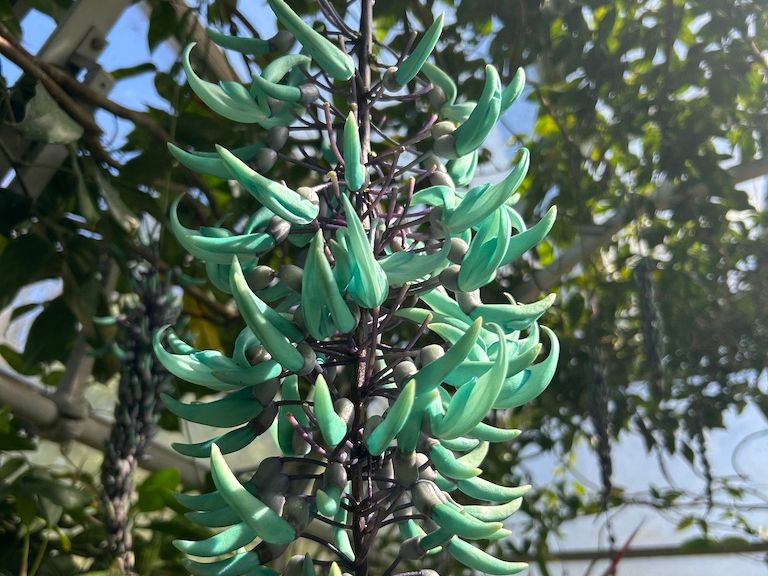
A place we pop into regularly to see how the plants change over the seasons, this visit was made even more special with the jade vine blooming.
Your Next Activity
If you found this fun, why not try one of our other nature activities
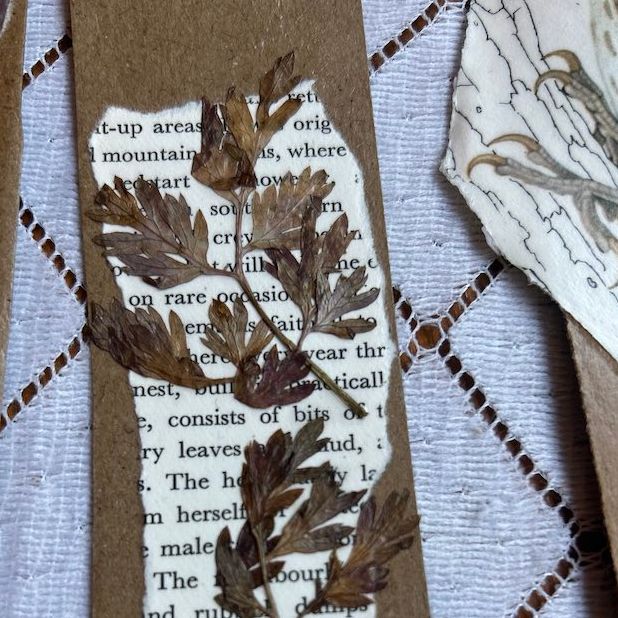
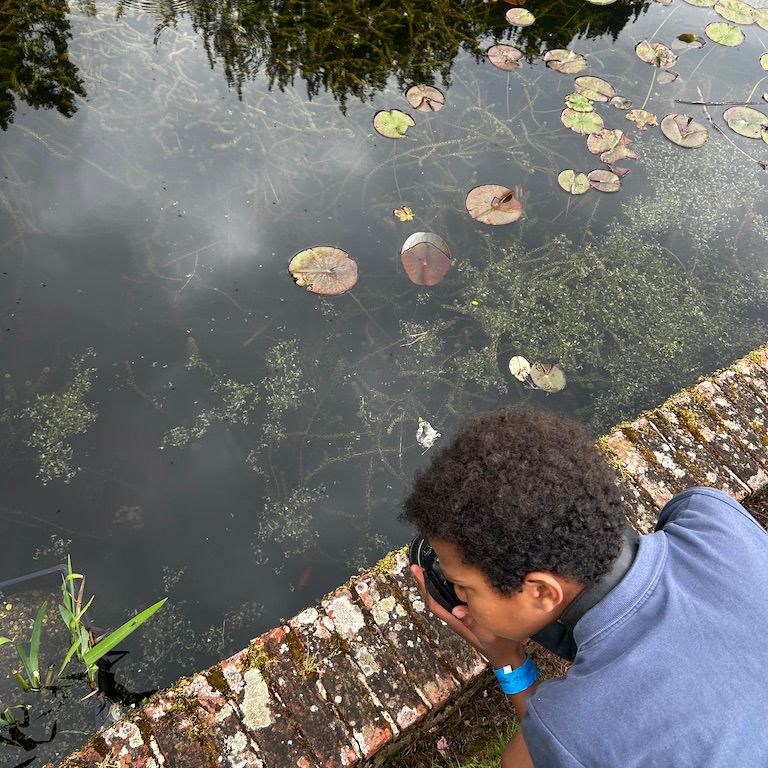
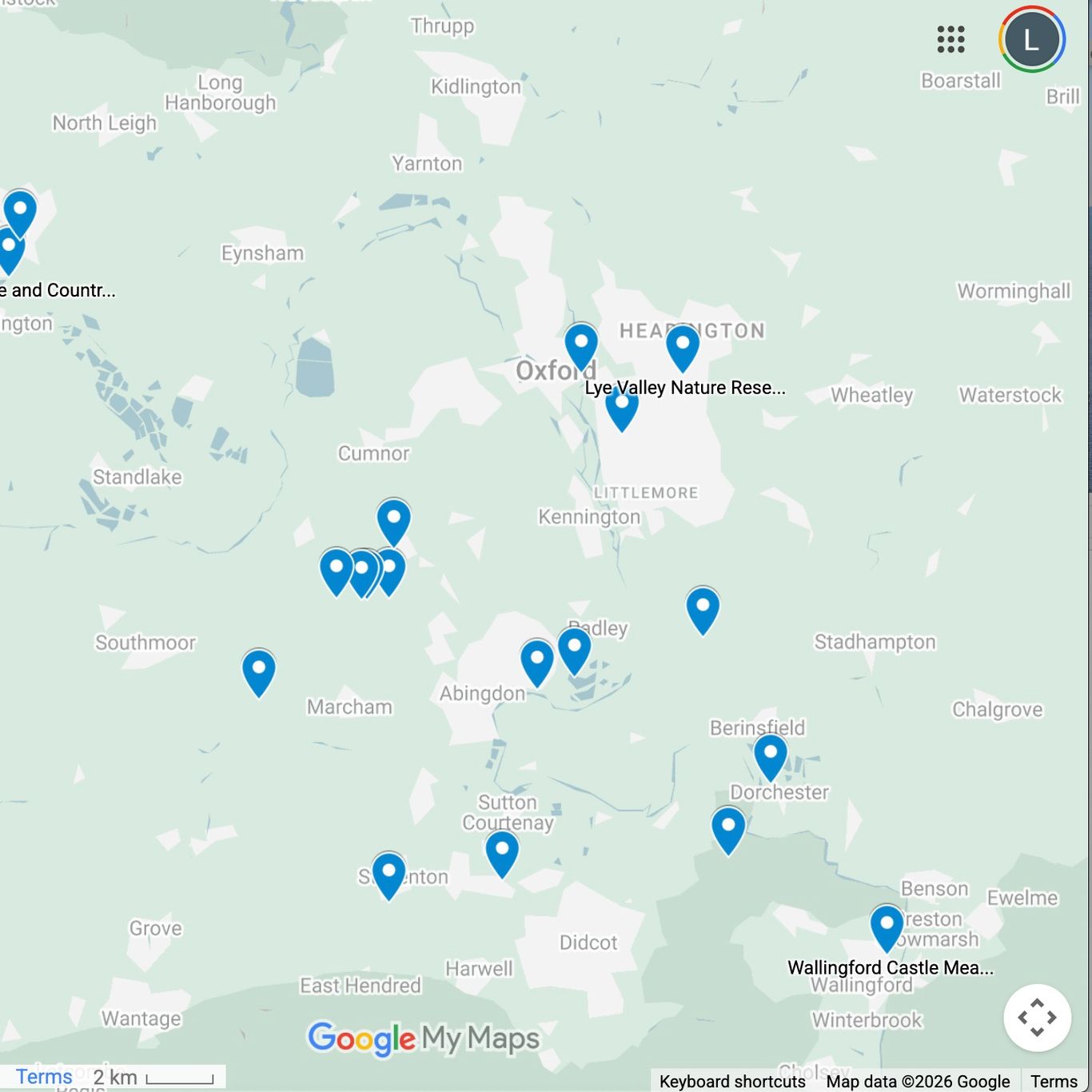
Go on an Oxfordshire Nature Adventure
Nature reserves, gardens, zoos, epic walks and quiet strolls, here's a taste of our recent family nature expeditions across Oxfordshire.
Click here to see all of the adventures so far
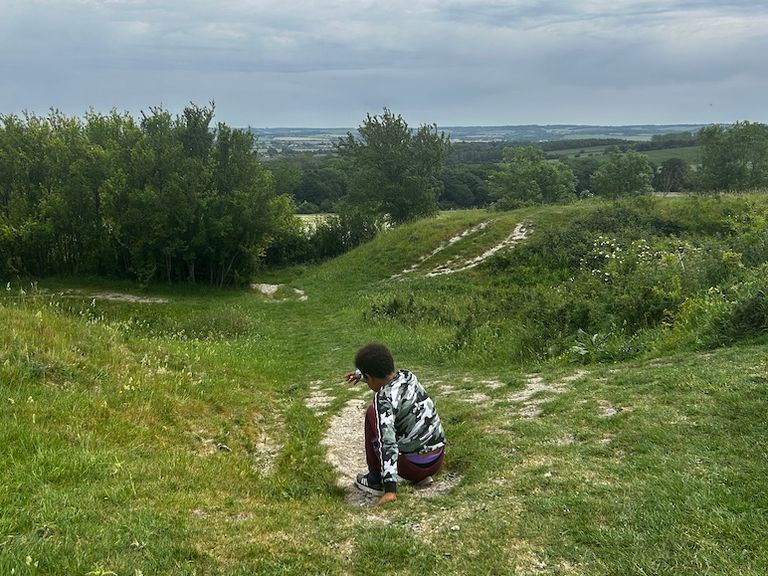
Nature Adventures · Nature Reserves
Earth Trust
An epic adventure spotting newts, buzzards, kingfishers, caterpillars and so much more.
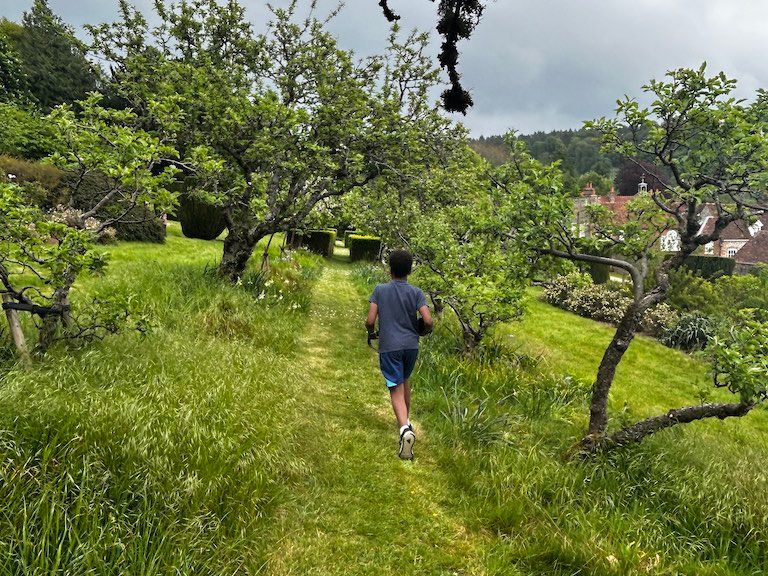
Nature Adventures · Parks and Gardens
Stonor Park
A fun-filled day spent exploring the adventure playground, spotting deer, getting up close with birds of prey and strolling round the gardens and arboretum.
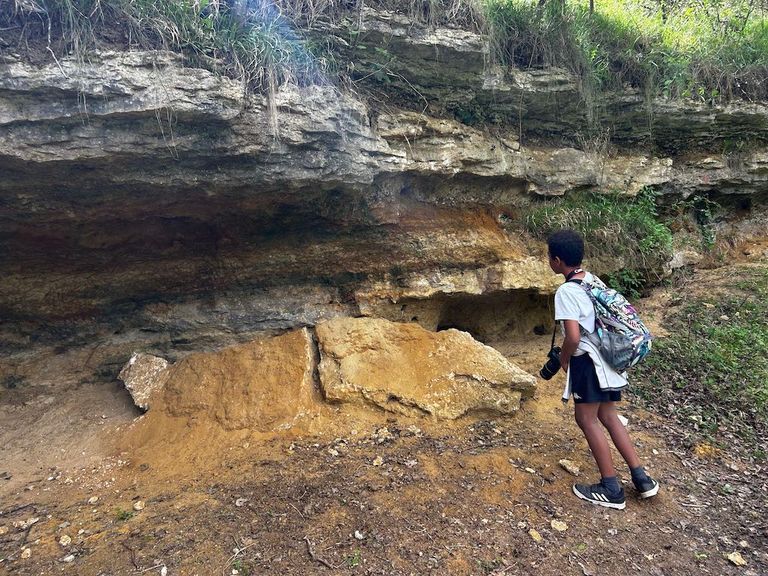
Nature Adventures · Nature Reserves
Cothill Fen
A distinctly Jurassic stroll through the most diverse area in Oxfordshire, taking in FIVE nature reserves. We saw solitary bees, fossils, woodpeckers and some impressive geology.
Nature Adventures · Nature Reserves
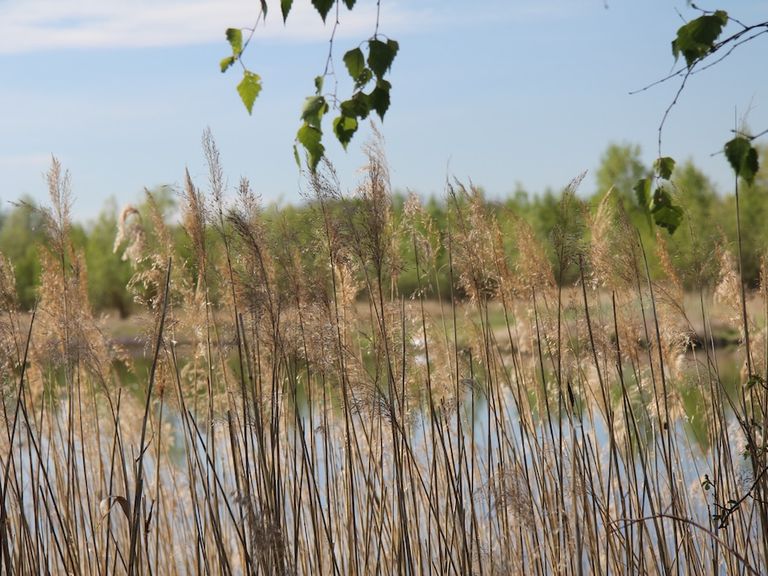
Thrupp Lake
A gorgeous walk from Radley Station to Abingdon under the sounding bridge, around the lake and through Barton Fields, hearing an astonishing number of birds.
Find your nearest Adventure
Please note - this map works best on desktop so that you can enjoy filtering by type of adventure, and clickable links.