Oak Trees
🌳 Habitat: Woodland, parkland, hedgerows, commons and ancient forests
📍 Found in Britain: Widespread throughout the UK
📏 Size: Can grow over 40 metres tall, with trunks several metres wide
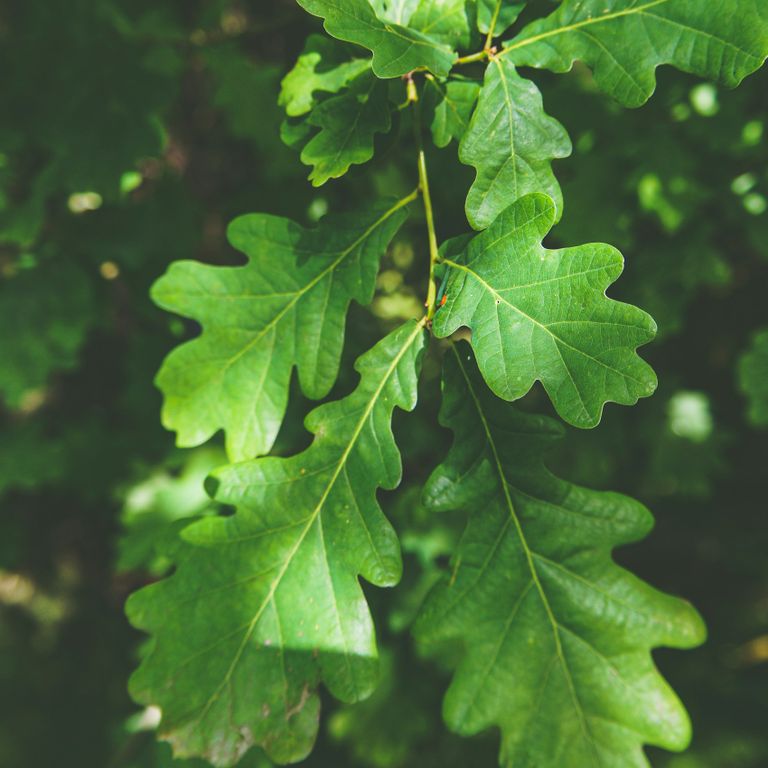
🍃 Season: Easy to identify from spring to autumn by their distinctive lobed leaves; acorns ripen in autumn
🦉 Wildlife Connections: Support more wildlife than any other native British tree, with over 2,300 species associated with oak
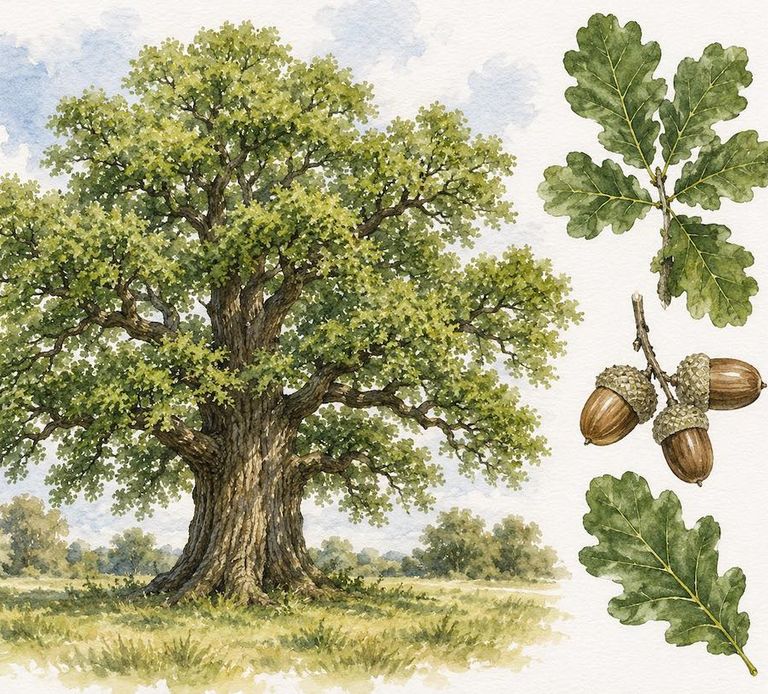
👀 Look out for: Deeply lobed leaves, knobbly acorns sitting in little cups, and thick, rugged bark
🦸 Nature Superpower: An ancient oak can become an entire miniature ecosystem, providing homes and food for thousands of different species.
✨ Fun Fact: Some of Britain's oldest oak trees are over 1,000 years old—they were already ancient when castles were being built!
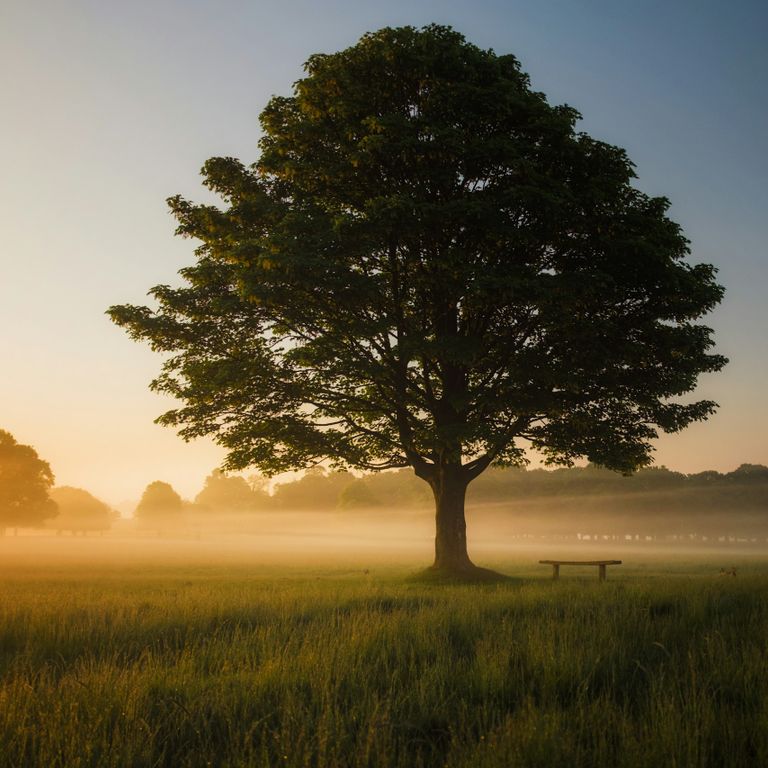
Britain's most iconic tree. The mighty oak can live for centuries, supporting more wildlife than any other native tree.
There are some trees that almost everyone can recognise. Even if you don't know much about nature, you'll probably know an oak. The familiar lobed leaves, the little acorns in autumn, and the saying "Mighty oaks from little acorns grow" have become part of British culture.
But I think what surprised me most was discovering just how old some of them really are. Once I started looking into ancient trees, I realised there were oaks growing surprisingly close to home that had been standing there since the 1600s. Trees that were already mature before the Great Fire of London. Trees that have quietly watched generations of people come and go.
I'd walked past some of them for years without ever really noticing. Now, I find myself looking at the width of the trunk and wondering what stories it could tell.
We've started putting together a little wish list of Oxfordshire's most impressive oaks. The ancient trees at Blenheim Palace, Bagley Wood, Shotover Country Park and Wytham Woods are all places we're hoping to explore soon. If you live elsewhere, I'd really recommend seeing whether your local area has an ancient tree map. You might be surprised by what's growing almost on your doorstep.
Oak trees aren't just impressive because of their age. They're also one of Britain's greatest wildlife homes. More than 2,300 different species have been recorded living on or around oak trees, including insects, fungi, birds, mammals and lichens. In fact, no other native British tree supports as much wildlife.
Every part of the tree provides something. Caterpillars feed on the leaves, woodpeckers search for insects beneath the bark, bats roost inside old hollows, and jays famously bury thousands of acorns each autumn, accidentally planting the next generation of oak trees.
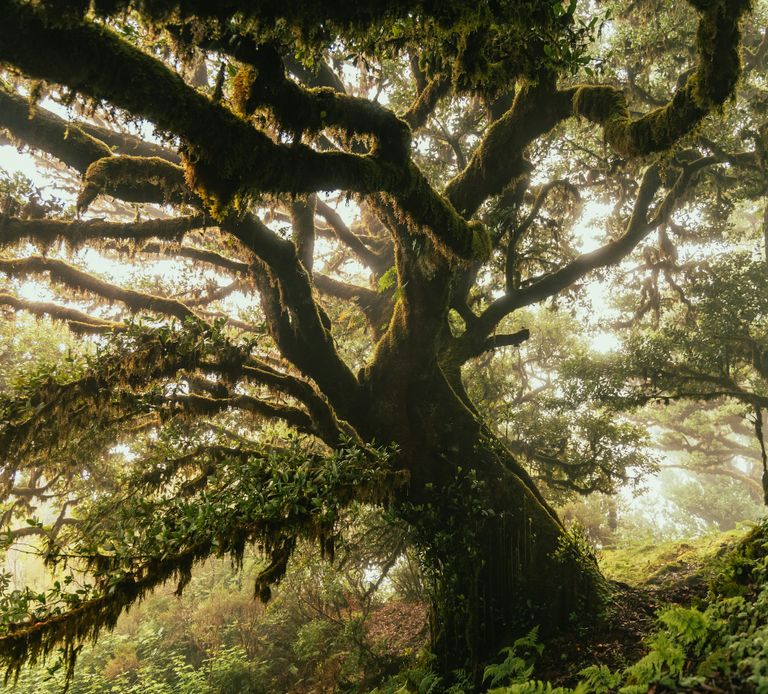
As oaks get older, they become even more valuable. Dead branches, cracks, holes and decaying wood might look untidy to us, but they create homes for beetles, owls, fungi, mosses and countless other species. An ancient oak isn't just one tree, it's an entire ecosystem.
One of the things I love most is how an oak changes through the seasons. Bright green leaves unfurl in spring, providing food for hungry caterpillars. In summer, the huge canopy creates welcome shade on hot days. By autumn, acorns begin to fall, feeding squirrels, jays, wood mice and deer, before the leaves turn rich shades of gold and brown.
Next time you spot an oak, don't just admire the leaves. Take a step back and really look at the trunk. How wide is it?
Could it be older than your grandparents? Older than your town? Older than your country as we know it today? You never know—you might be standing beside one of the oldest living things you've ever met.
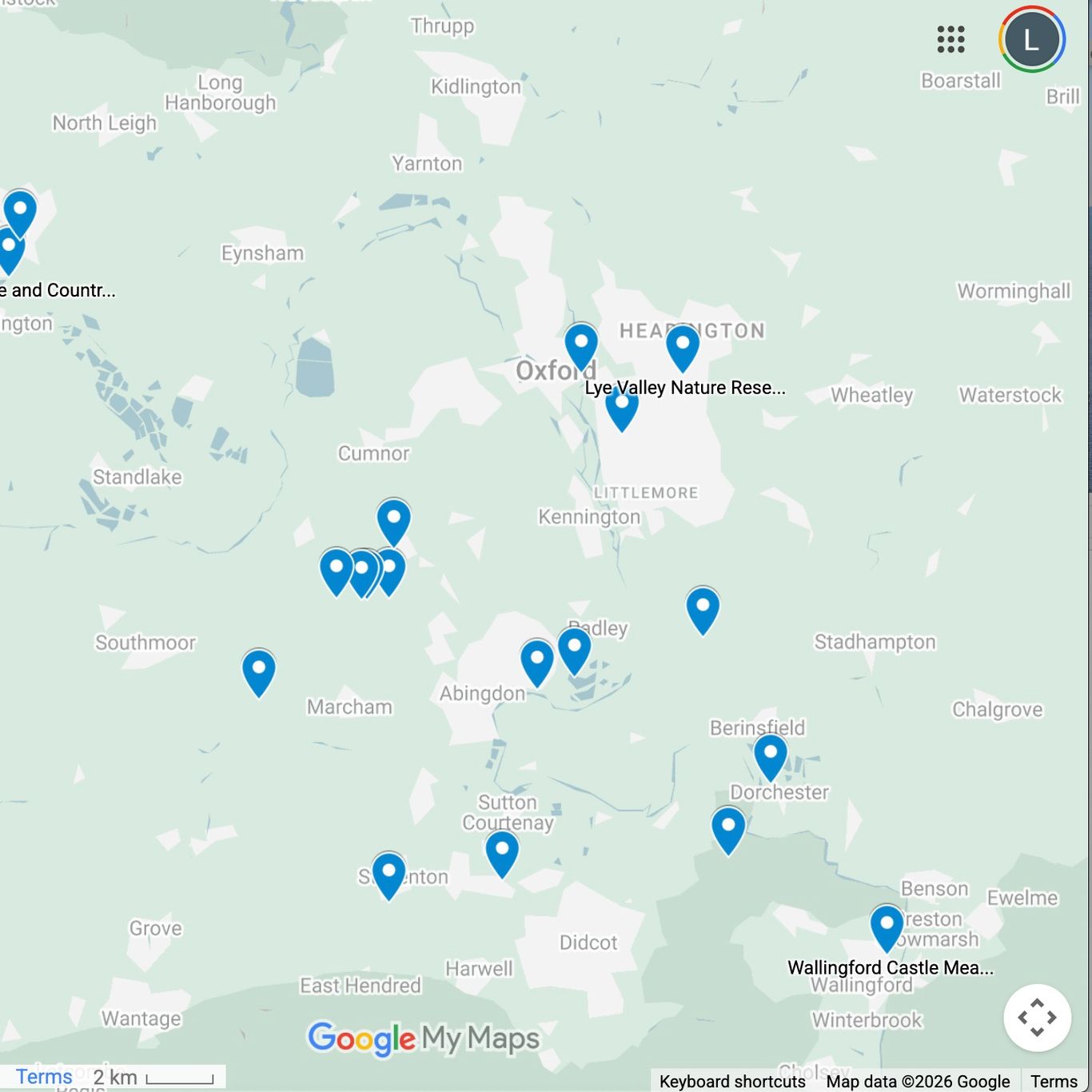
Where we spotted it
Why not try these Oxfordshire Nature Adventures to check out the oak trees? Or head here for more inspiration
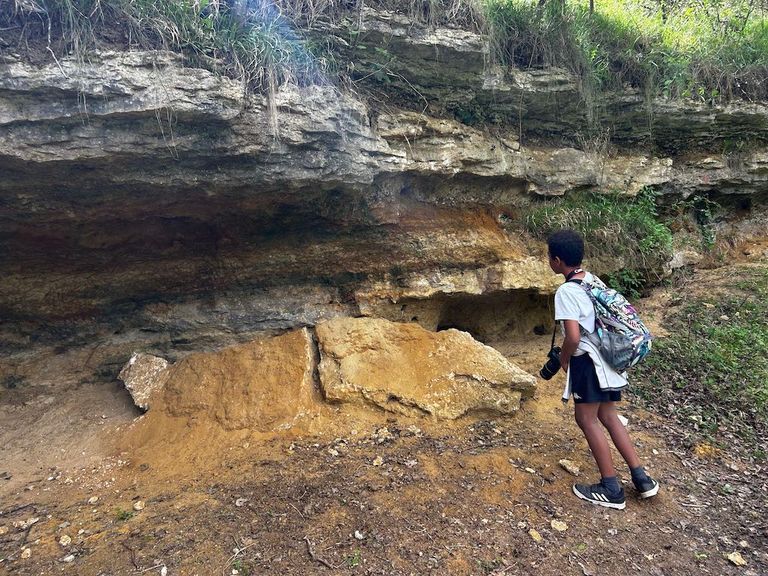
April 2026 · Nature Reserves · Free
Cothill Fen
A distinctly Jurassic stroll through the most diverse area in Oxfordshire, taking in FIVE nature reserves. We saw solitary bees, fossils, woodpeckers and some impressive geology.
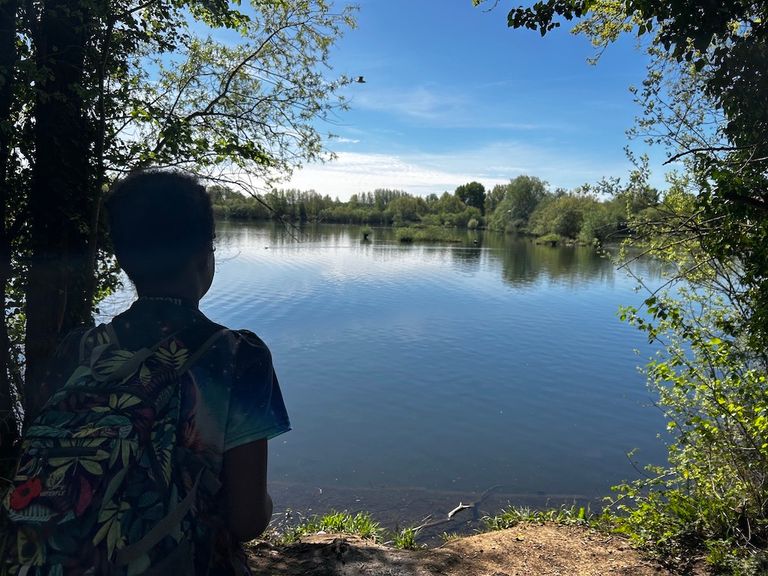
April 2026 · Nature Reserves · Free
Thrupp Lake
A beautiful walk from Radley Station to Abingdon, passing under the bridge, around the lake and through Barton Fields, hearing an astonishing number of birds along the way.
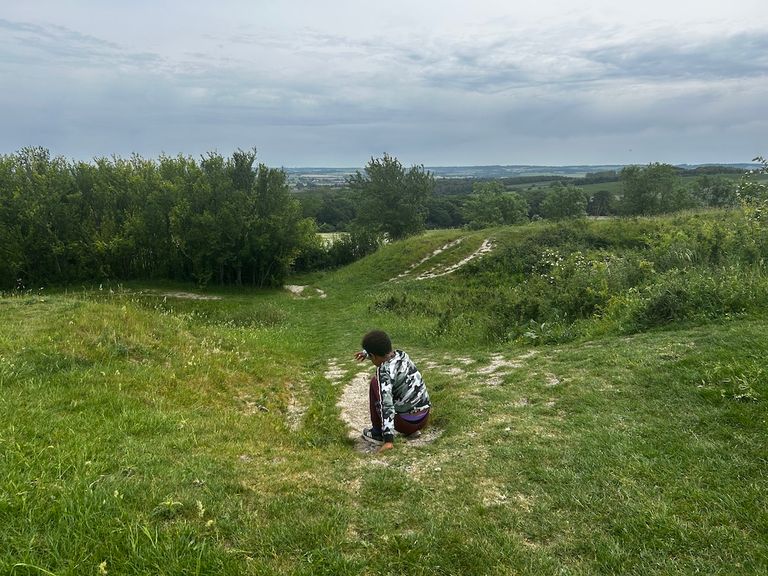
May 2026 · Nature Reserves · Free
Earth Trust
An epic adventure spotting newts, buzzards, kingfishers, caterpillars and so much more.
Find your nearest Adventure
Please note - this map works best on desktop so that you can enjoy filtering by type of adventure, and clickable links.