Muntjac Deer
🦌 Habitat: Woodlands, scrub, hedgerows, parks and dense vegetation
📍 Found in Britain: Common across southern England, including Oxfordshire
📏 Size: Around 45–55 cm tall at the shoulder
🌿 Season: Seen all year round
🍃 Wildlife Connections: Browse leaves, shoots, flowers and berries, helping shape woodland vegetation
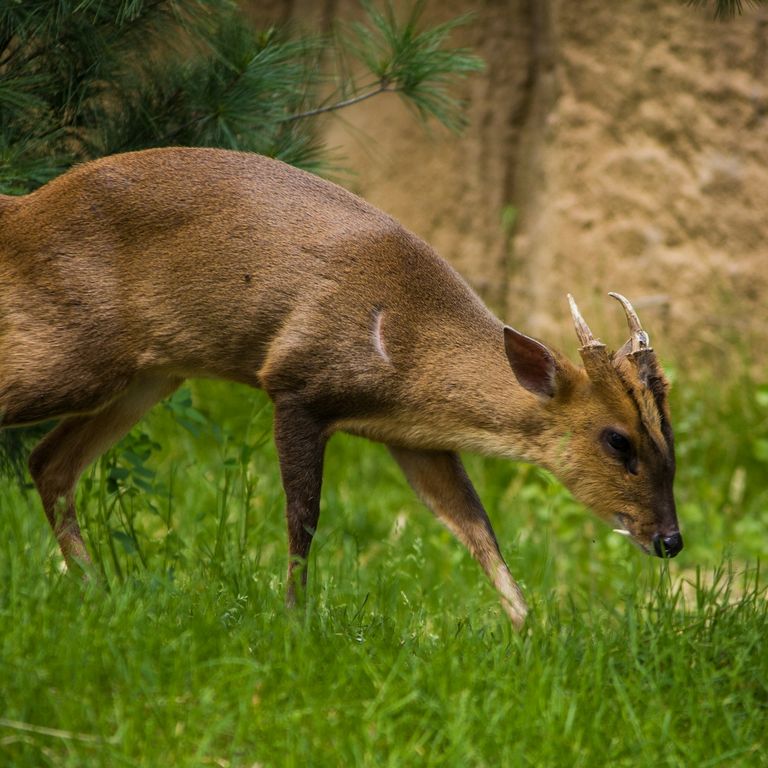
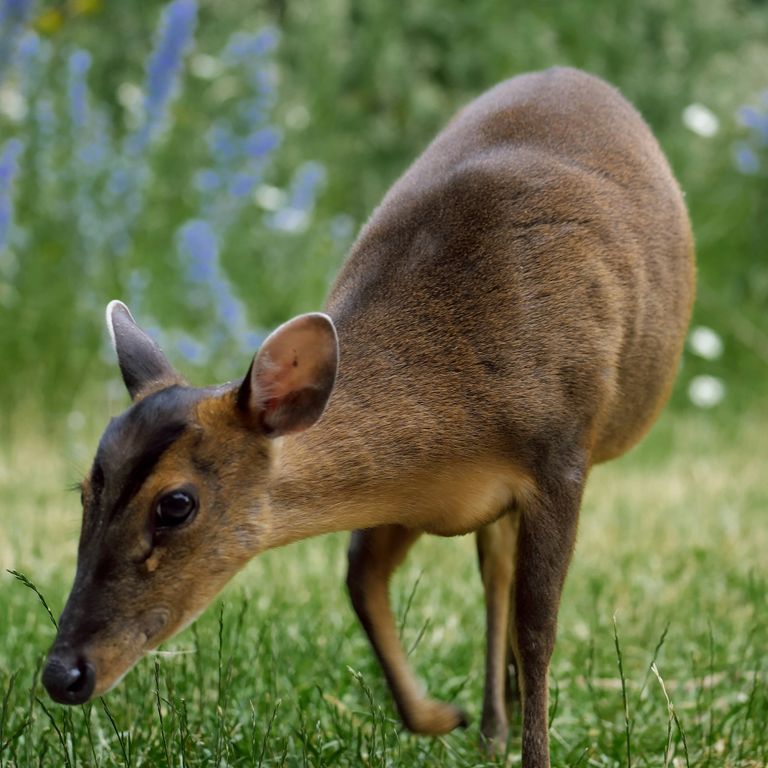
👀 Look out for: A small chestnut-brown deer with short legs, large dark eyes and a slightly hunched appearance
🦸 Nature Superpower: Muntjac can breed throughout the year, helping them thrive in a wide variety of habitats
✨ Fun Fact: Muntjac are sometimes called "barking deer" because their alarm call sounds remarkably similar to a dog's bark.
The tiny deer that's often spotted by its footprints before the animal itself. Keep your eyes peeled for these woodland acrobats darting through the undergrowth.
Long before we ever knowingly saw a muntjac deer, we were spotting signs that they had been there.
One of Little Leopard's favourite games on nature walks is looking for animal tracks, and muntjac footprints seem to appear almost everywhere once you start looking for them. During the wetter months, when the ground is soft and muddy, we regularly find their hoofprints on paths and woodland trails. We've spotted them at Sutton Courtenay Environmental Education Centre, Barton Fields and plenty of other places besides.
Back in March, we spent a nature day at Barton Fields investigating some deer footprints. By measuring the size of the tracks and comparing them to our wildlife guides, we worked out that they were probably muntjac rather than roe deer. Not far away, we discovered plenty of deer droppings too, confirming that deer were frequent visitors to the area. For quite a while, though, the deer themselves remained elusive.
Little Leopard became rather good at spotting them from the top deck of buses, where the extra height seemed to give him a wildlife-spotting advantage over the rest of us. We'd catch fleeting glimpses of small deer disappearing into hedgerows and woodland edges as we travelled around Oxfordshire.
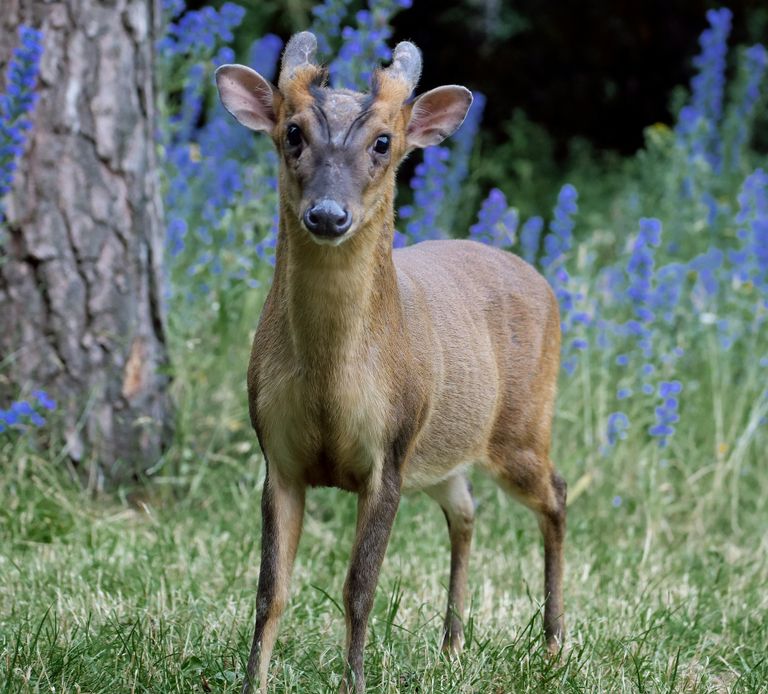
Then came our most exciting muntjac encounter so far. We were exploring Parsonage Moor Nature Reserve when something suddenly bounded across the landscape ahead of us. My first thought was that it must be an enormous hare. It was moving so quickly that I barely had time to register what I was looking at. Little Leopard, however, was absolutely delighted when we realised it was a muntjac deer, darting and leaping through the vegetation before vanishing from sight. For such a small animal, they move with incredible speed and agility.
Muntjac are often described as Britain's smallest deer, although technically that title belongs to the Chinese water deer. They're much smaller than roe deer, standing only about half a metre tall at the shoulder. Their compact bodies, short legs and slightly hunched appearance give them a very different shape from the more elegant roe deer that we sometimes encounter.
In fact, distinguishing between the two has become a bit of a hobby for us. Whenever we spot a deer, we find ourselves checking carefully before declaring what it is. Is it small and stocky, with short legs? Probably a muntjac. Taller and more graceful with longer legs? More likely a roe deer. It's a useful reminder that wildlife identification isn't always straightforward, and sometimes taking a second look can reveal something unexpected.
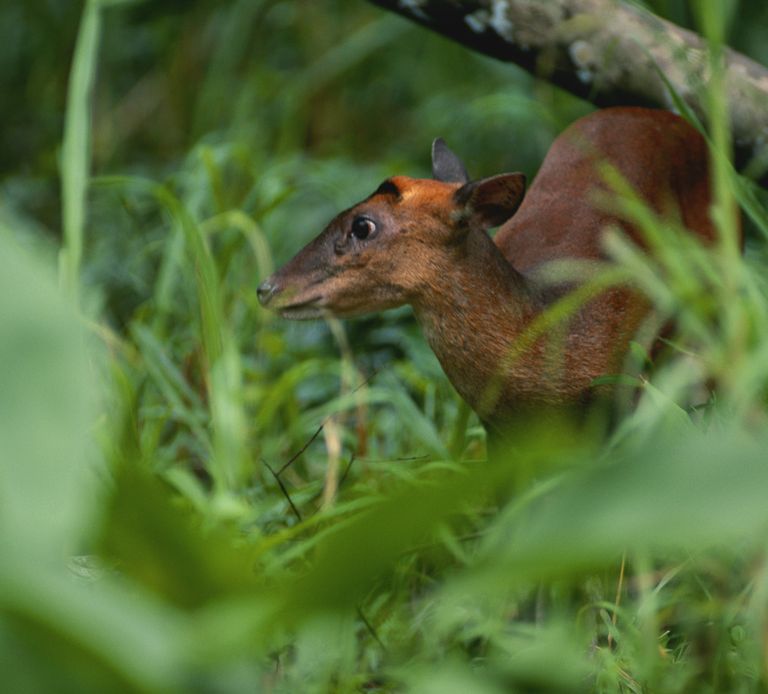
One of the most distinctive things about muntjac is their bark. If you've ever heard what sounds like a dog barking deep within a woodland, there's a chance it wasn't a dog at all. Muntjac use these loud alarm calls to warn other deer of potential danger.
Although they're now common throughout southern England, muntjac aren't actually native to Britain. Originally from Asia, they were introduced in the late nineteenth century and have spread across much of the country. Today they're a familiar part of Oxfordshire's woodlands, parks and nature reserves.
So next time you're exploring outdoors, don't just look for the deer themselves. Look for the clues they leave behind. Footprints in the mud, droppings on a woodland path, or perhaps a sudden bark from deep in the trees. You might discover that muntjac are much closer than you realised.
Where we spotted it
Feeling inspired? Why not try one of these Oxfordshire Nature Adventures. Or head here for more inspiration

April 2026 · Nature Adventures · Events Only
Sutton Courtenay Environmental Education Centre
Attending wonderful events at this BBOWT site including pond dipping, night safari and other family events.
April 2026 · Nature Adventures · Nature Reserves
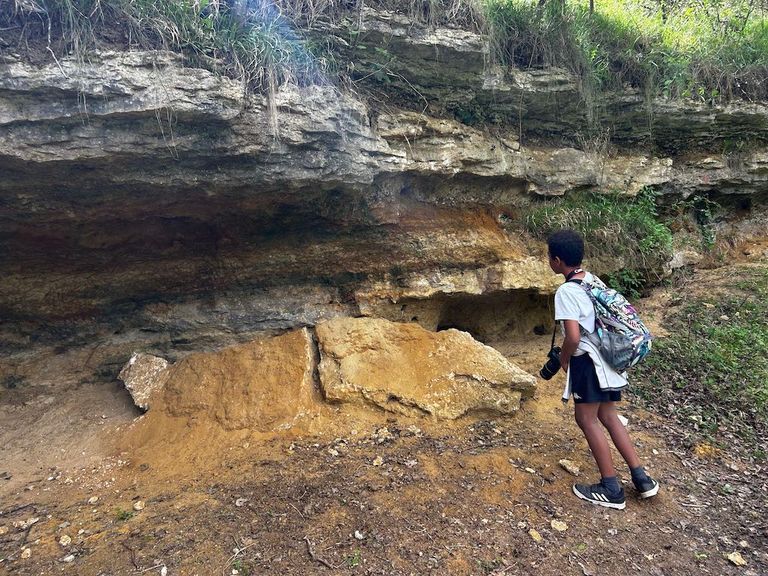
Cothill Fen
A long walk with a distinctly Jurasic vibe through the most diverse area in Oxfordshire, taking in FIVE nature reserves. We saw solitary bees, fossils, woodpeckers and some impressive geology.
April 2026 · Nature Adventures · Nature Reserves
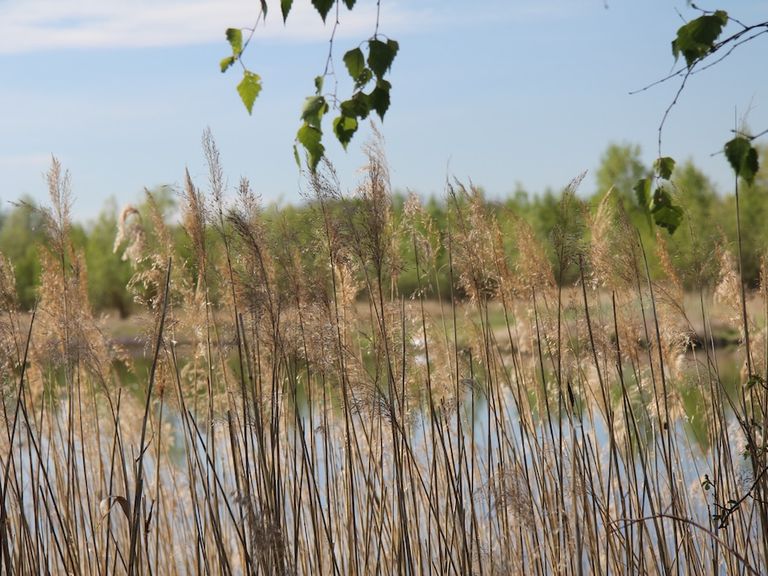
Thrupp Lake
A gorgeous walk from Radley Station to Abingdon under the sounding bridge, around the lake and through Barton Fields, hearing an astonishing number of birds.
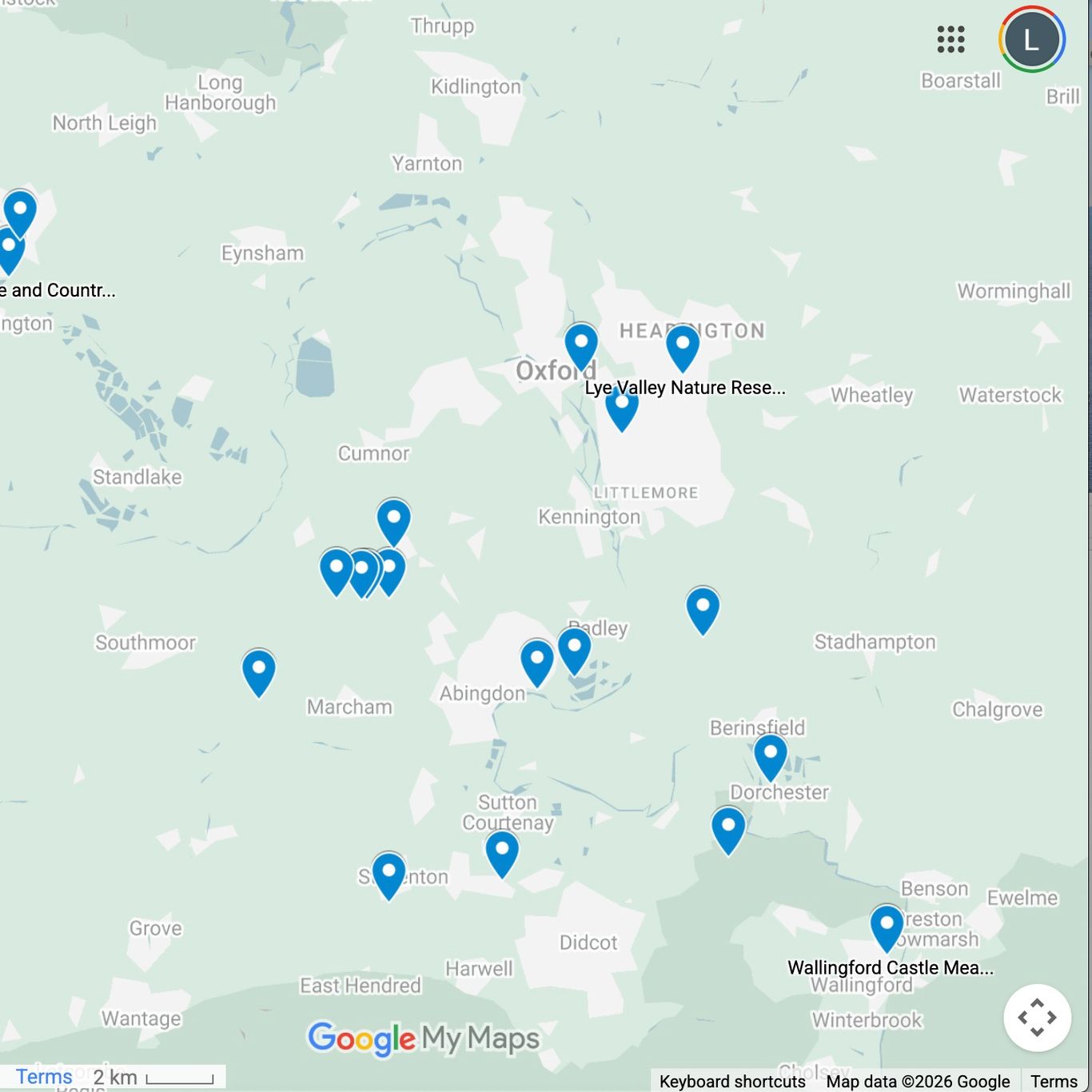
Find your nearest Adventure
Please note - this map works best on desktop so that you can enjoy filtering by type of adventure, and clickable links.