Frog
🐸 Habitat: Ponds, streams, marshes, damp grassland, gardens and woodland
📍 Found in Britain: Very common throughout the UK
📏 Size: Adults usually grow to around 6–9 cm long
🌿 Season: Most active from spring to autumn, with frogspawn appearing from late winter into early spring
🦟 Wildlife Connections: Feed on insects, slugs and worms, while providing food for herons, grass snakes, otters and other predators
👀 Look out for: Jelly-like frogspawn in spring, black tadpoles in shallow water, tiny froglets in early summer and brown or olive-green adult frogs in damp places
🦸 Nature Superpower: Frogs completely transform their bodies during metamorphosis, changing from water-dwelling tadpoles with gills into air-breathing adults with powerful jumping legs
✨ Fun Fact: Frogs usually return to the same pond every year to breed, even if they've spent most of the year living somewhere else.
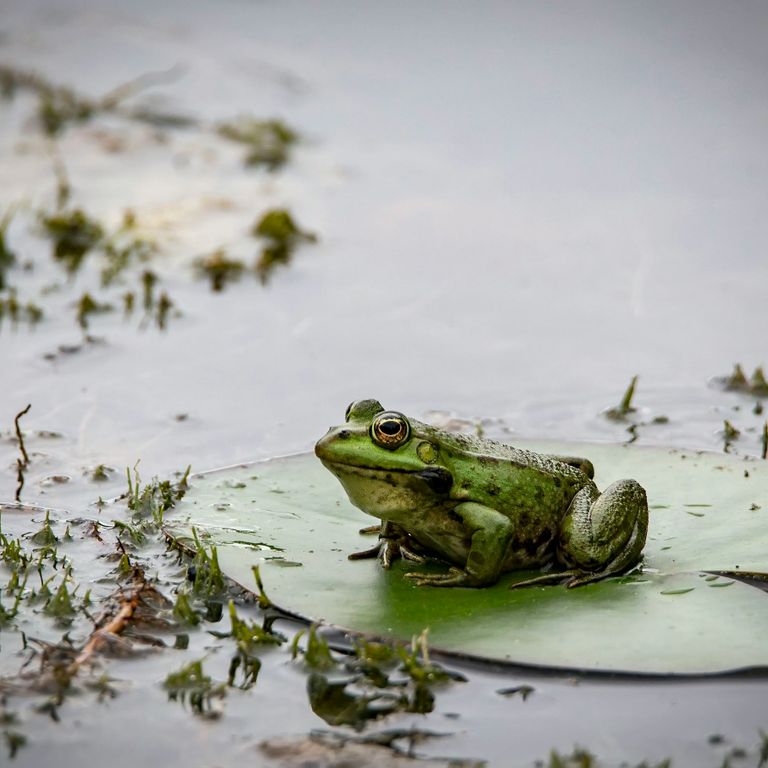
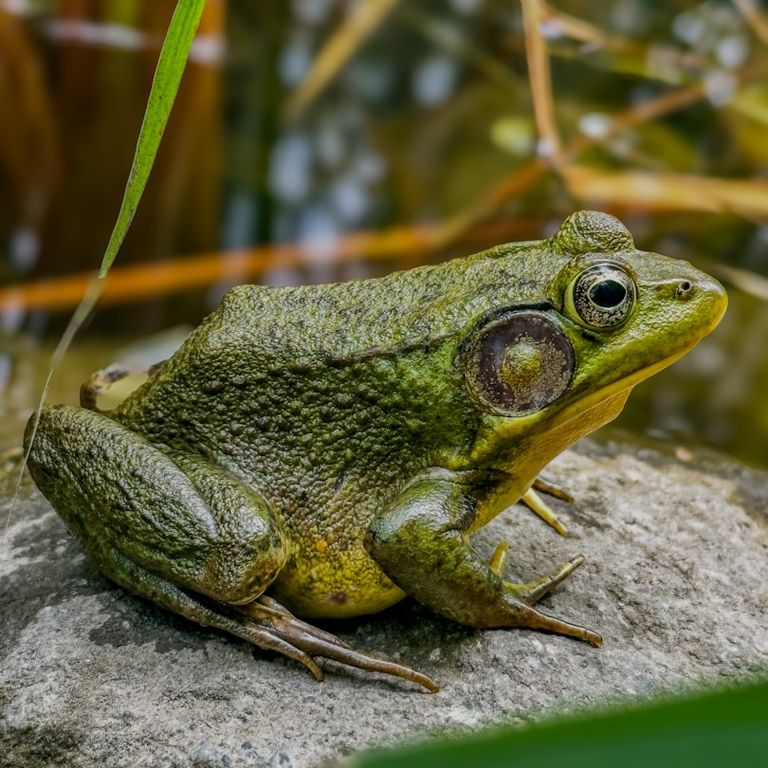
From tiny jelly-like eggs to hopping froglets, frogs have one of nature's most incredible life cycles. Follow their journey through spring and summer.
I think frogs are one of the best animals for introducing children to nature.
Unlike many wild animals that disappear almost as quickly as you spot them, frogs let you follow their entire life story. From jelly-like frogspawn to wriggling tadpoles and finally tiny froglets, they're one of the easiest ways to watch nature changing week by week.
Little Leopard's first memorable frog encounter came when he was just two years old. He spotted one hopping across a lawn and immediately decided it needed rescuing... into a Tupperware box. After we'd admired it for a few moments, I explained that it really ought to be returned to where we'd found it.
He burst into tears.
To this day, I'm still not entirely sure whether he was upset because he wanted to keep the frog, or because the way it disappeared into the grass and then suddenly sprang back into view was just a little too unpredictable.
A few years later, frogs became much less mysterious.
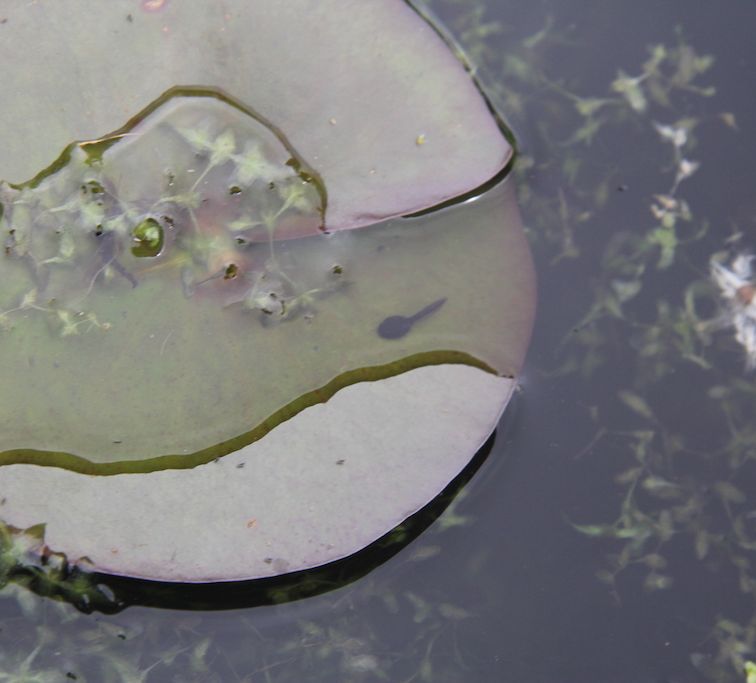
We discovered a nearby stream absolutely filled with frogspawn. A couple of weeks later we returned to find hundreds of tiny black tadpoles wriggling through the shallows. It felt like we'd arrived at exactly the right moments to watch one of nature's greatest transformations unfolding.
Earlier this year, we had another memorable frog encounter while waiting outside a local school. The school pond had recently been filled in, yet a common frog was frantically hopping around the area where the pond used to be. I couldn't help wondering whether it had returned to the place where it had grown up, only to find that its breeding pond had disappeared. It was a powerful reminder of just how important ponds are.
Thankfully, our school has a very different story. Forest School has a tiny little pond that might not look particularly impressive, but every spring the frogs return to lay their eggs. It's become one of my favourite places to check each week. As summer progresses, the water becomes murkier and murkier. Even now, in July, I can still spot the occasional tadpole weaving its way through the cloudy water, although the tiny froglets seem to have disappeared into the surrounding vegetation.
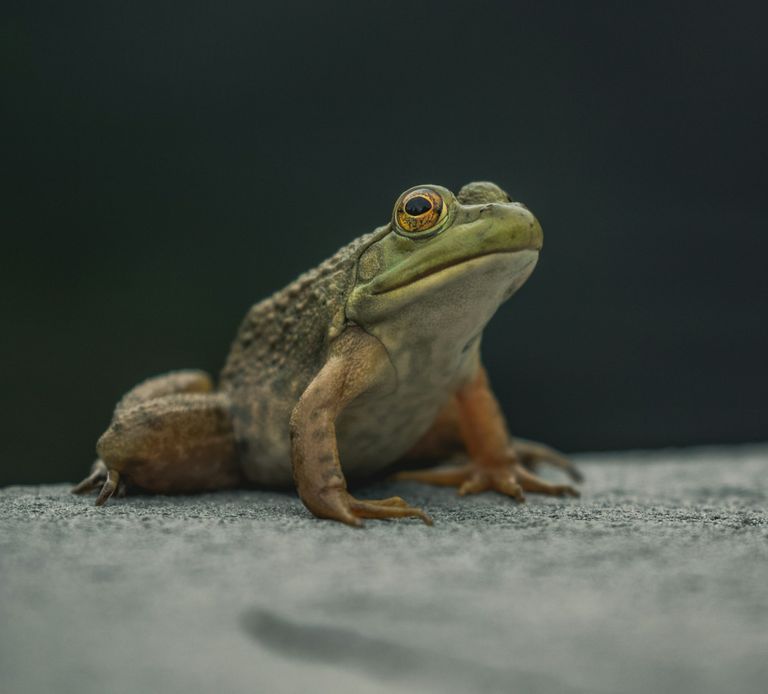
One of the most extraordinary things about frogs is the journey they make. A female can lay several thousand eggs in a single clump of frogspawn. The tadpoles hatch with tails and gills, living entirely underwater. Over the following weeks they gradually grow back legs, then front legs, while their tails shrink away and their lungs develop. By the time they leave the pond, they're perfectly adapted for life on land.
Adult frogs spend surprisingly little of their lives in water. Although they always return to ponds to breed, they spend much of the year hiding in long grass, woodland, compost heaps and shady corners of gardens, emerging to hunt slugs, insects, worms and other invertebrates. They're brilliant natural pest controllers and an important source of food for herons, grass snakes and many other animals.
The next time you visit a pond in spring, don't just go once. Return every couple of weeks and see what's changed. First the frogspawn, then the tadpoles, then tiny froglets no bigger than your fingernail. It's one of the most rewarding wildlife stories to follow, and one that reminds us how even the smallest pond can be bursting with life.
Where we spotted it
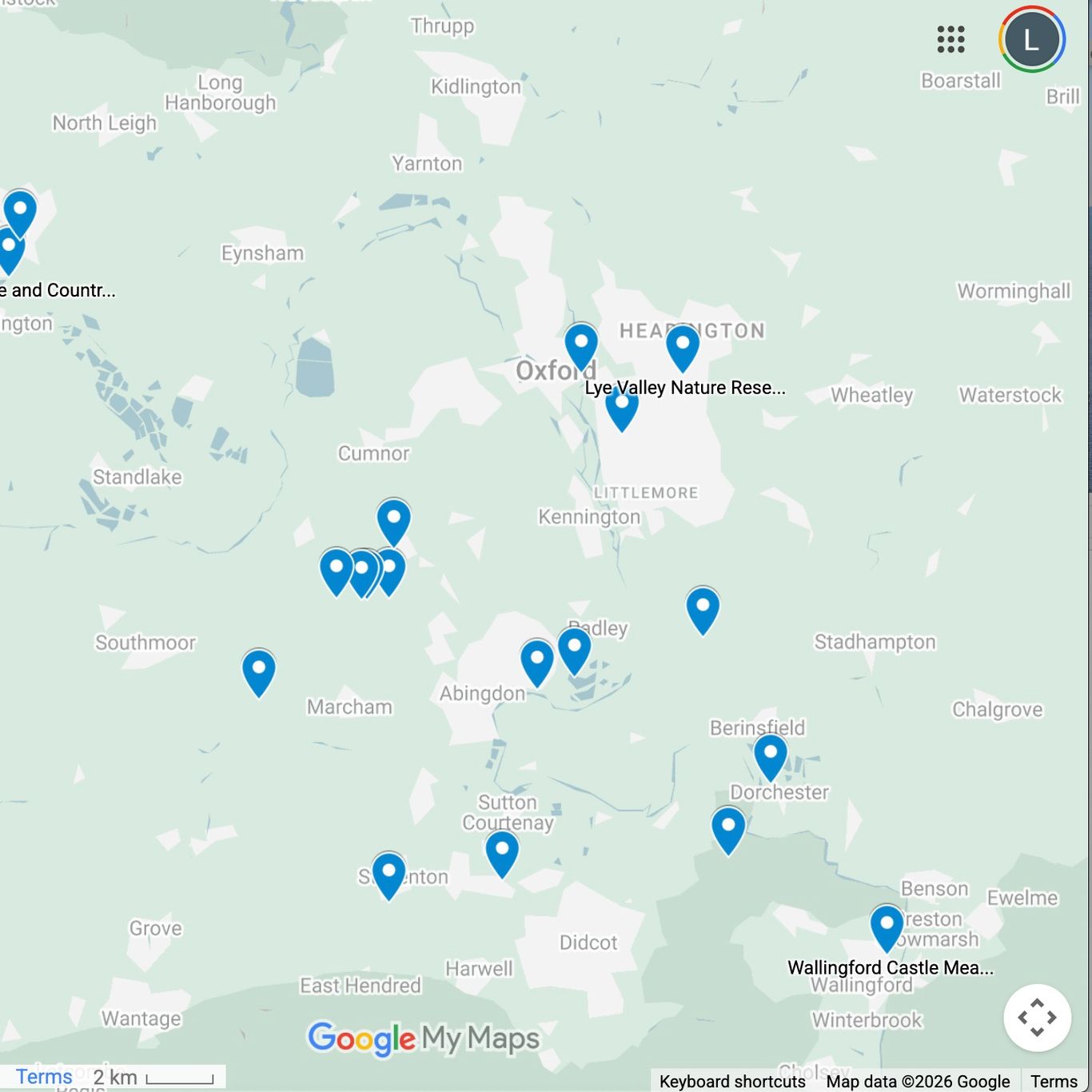
Why not try these Oxfordshire Nature Adventures in spring and summer to check the ponds and see what stage the frogs have reached in their life cycle? Or head here for more inspiration
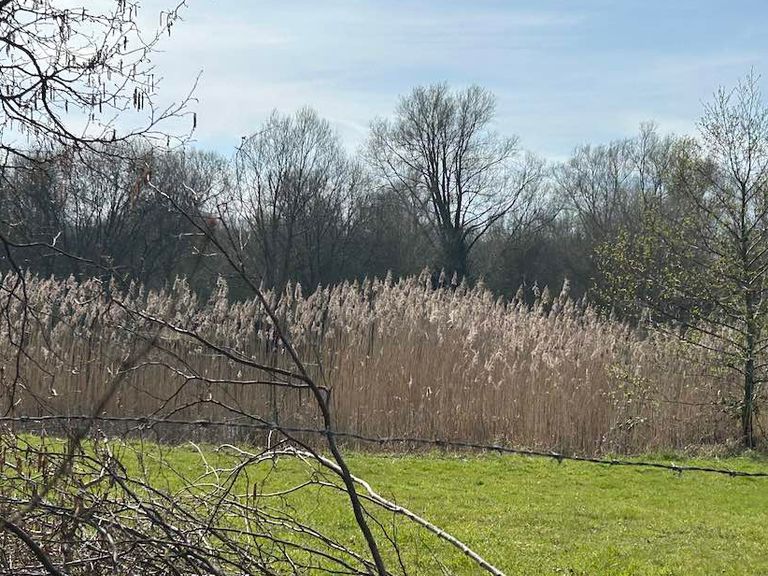
March 2026 · Nature Reserve · Event
Barton Fields
A guided walk around the nature reserve, bird watching, learning how to spot signs of animals and handling newts and slow worms
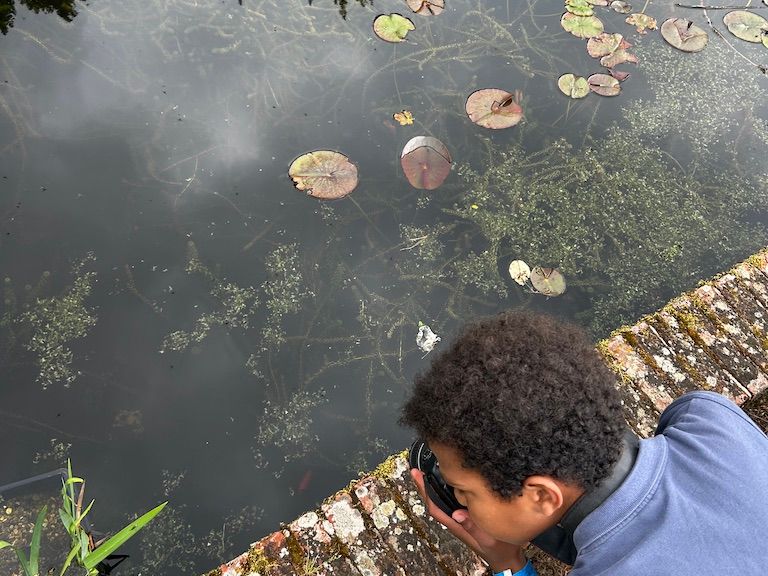
May 2026 · Parks and Gardens · Events
Stonor Park
A fun-filled day spent exploring the adventure playground, spotting deer, getting up close with birds of prey and strolling round the gardens and arboretum.
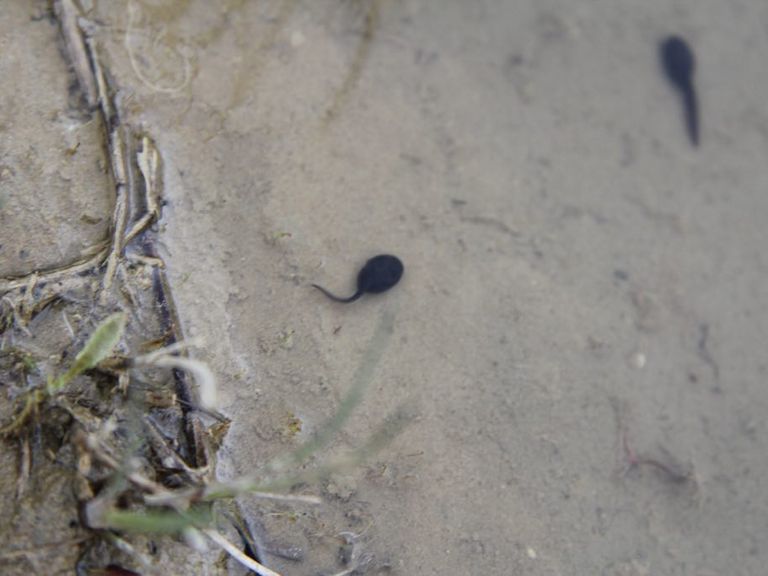
April 2026 · Nature Reserves · Free
Hitchopse Pit (Cothill Fen walk)
A distinctly Jurassic stroll through the most diverse area in Oxfordshire, taking in FIVE nature reserves. We saw solitary bees, fossils, woodpeckers and some impressive geology.
Find your nearest Adventure
Please note - this map works best on desktop so that you can enjoy filtering by type of adventure, and clickable links.