Beech Trees
🌳 Habitat: Woodland, parkland, estates, commons and ancient forests
📍 Found in Britain: Common across southern Britain, especially on chalky soils
📏 Size: Can grow up to 40 metres tall and live for over 300 years, with some much older specimens
🍃 Season: Fresh green leaves in spring and summer, spectacular golden and copper colours in autumn
🐿️ Wildlife Connections: Beech mast feeds squirrels, mice, deer, badgers and woodland birds, while older trees provide homes for bats, insects and fungi
👀 Look out for: Smooth pale grey bark, oval leaves with gently wavy edges, prickly seed cases containing triangular beech nuts
🦸 Nature Superpower: Their dense leafy canopy creates cool, shady woodland that stays noticeably cooler on hot summer days.
✨ Fun Fact: Beech trees sometimes keep their dead brown leaves all winter, especially on younger branches and hedges. Scientists aren't completely sure why, but it may help protect new buds or discourage hungry deer.
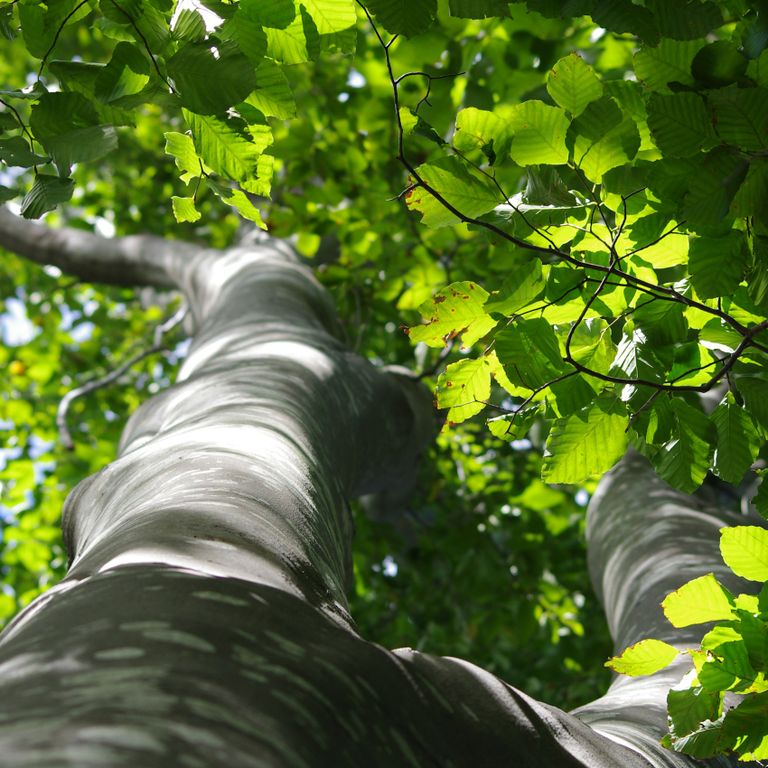
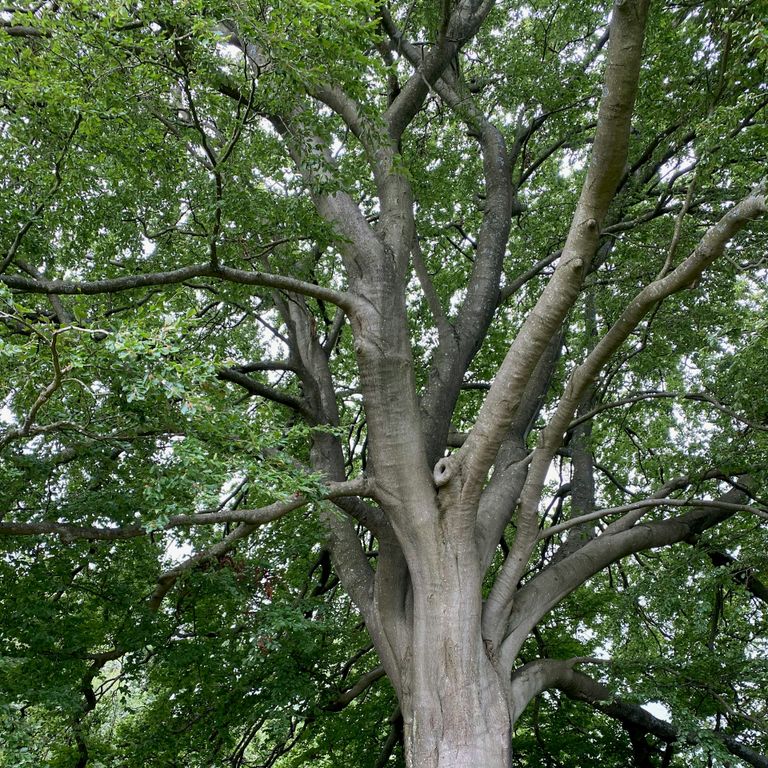
Smooth grey trunks, leafy green cathedrals and golden autumn leaves. Beech trees are some of Britain's most beautiful giants.
There's something about walking beneath a mature beech that makes you instinctively slow down. Their huge domed canopies filter the sunlight into soft green light, while their smooth grey trunks rise like pillars in a great natural cathedral.
We've walked beneath them in lots of places over the years, including Stonor Park and the beautiful woodland around Wittenham Clumps. They're such familiar trees that I'd often admired them without really giving them much thought.
The trees lining the playing field at the school where I work are beech trees. During the summer, when the playground becomes far too hot, we naturally gravitate towards their shade. The temperature drops noticeably beneath the canopy, and soon the children are laughing and playing again instead of wilting in the heat.
They're brilliant climbing and hiding trees too. We regularly spot squirrels scampering through the branches overhead, while underneath, the children invent endless games. One of my little learners recently transformed the whole area into Jurassic Park, with the trunks becoming ancient jungle trees and every rustle in the leaves signalling another dinosaur on the loose.
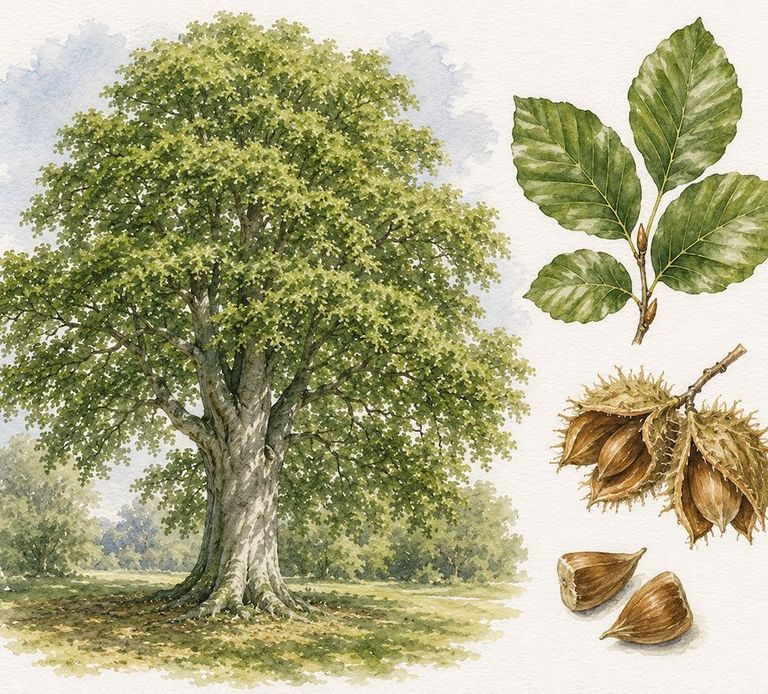
One of the easiest ways to recognise a beech tree is its bark. Unlike the deeply ridged bark of an oak, beech bark stays beautifully smooth and pale grey, even on very old trees. It almost looks like elephant skin, and children often can't resist giving it a gentle stroke as they walk past.
The leaves are another clue. They're oval rather than lobed, with gently wavy edges and tiny silky hairs when they're young. In spring they're a fresh, almost lime-green colour before deepening through summer. Then, in autumn, beech woodlands put on one of Britain's greatest displays, glowing with rich gold, amber and copper leaves.
Beech trees produce little triangular nuts called beech mast. Every few years they produce enormous crops, known as a mast year, providing a feast for squirrels, mice, badgers, deer and many woodland birds. In years when the crop is especially large, wildlife populations can benefit from the sudden abundance of food.
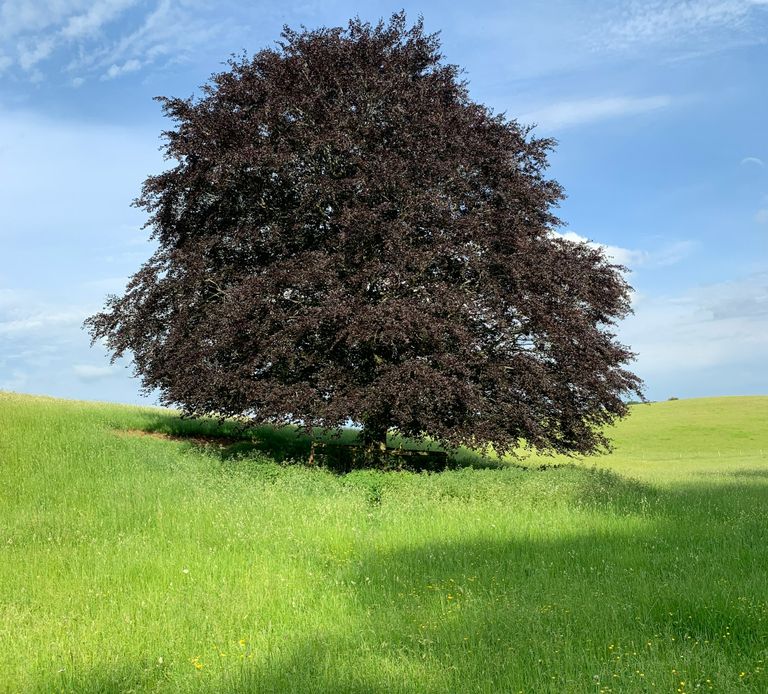
One variety I'd really love to find more often is the copper beech. Instead of green leaves, they emerge in beautiful deep purple and burgundy shades throughout the growing season. I know for sure they're growing at Oxford Botanic Garden and Harcourt Arboretum.
Beech trees have dense canopies that create deep shade, meaning very few plants can grow beneath them. Walking through an old beech woodland often feels wonderfully peaceful, with a soft carpet of fallen leaves underfoot and tall, elegant trunks stretching away in every direction. Perfect for heatwaves, rainy days, or just an autumnal stroll.
Where we spotted it
Why not try these Oxfordshire Nature Adventures to check out the beech trees? Or head here for more inspiration
May 2026 · Nature Reserves · Free
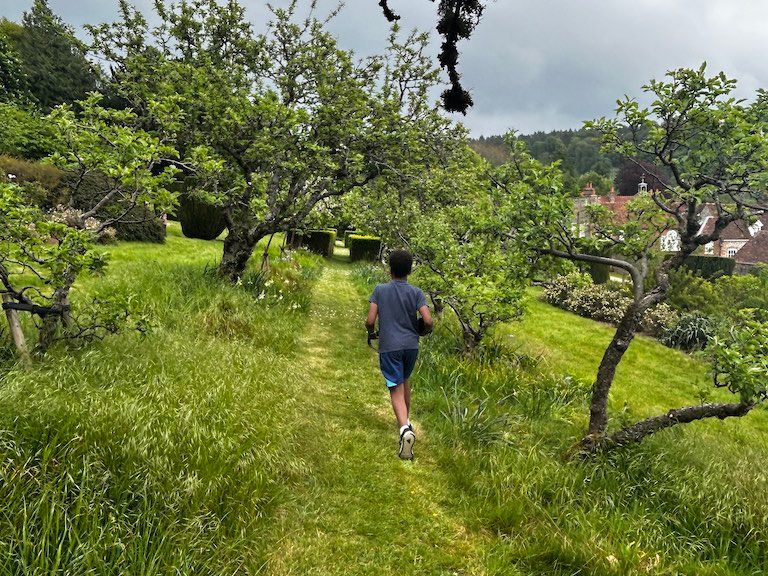
Stonor Park
A fun-filled day spent exploring the adventure playground, spotting deer, getting up close with birds of prey and strolling round the gardens and arboretum.
May 2026 · Nature Reserves · Free
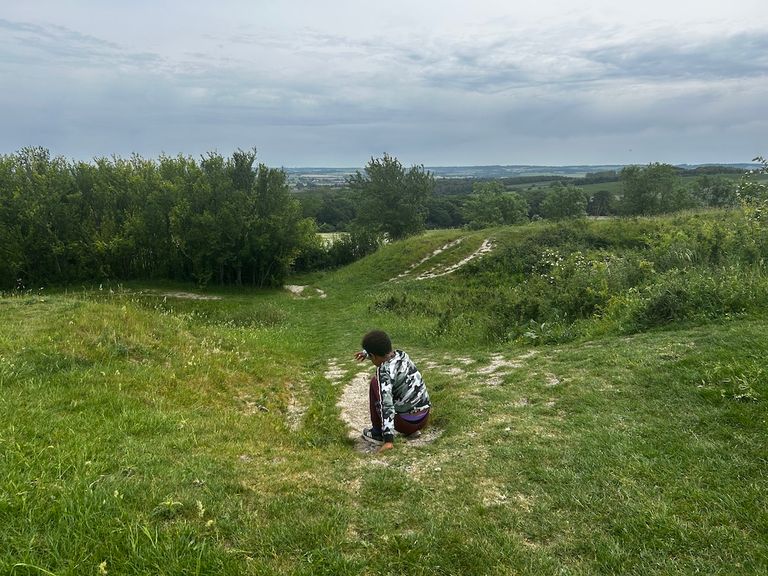
Earth Trust
An epic adventure spotting newts, buzzards, kingfishers, caterpillars and so much more.
Find your nearest Adventure
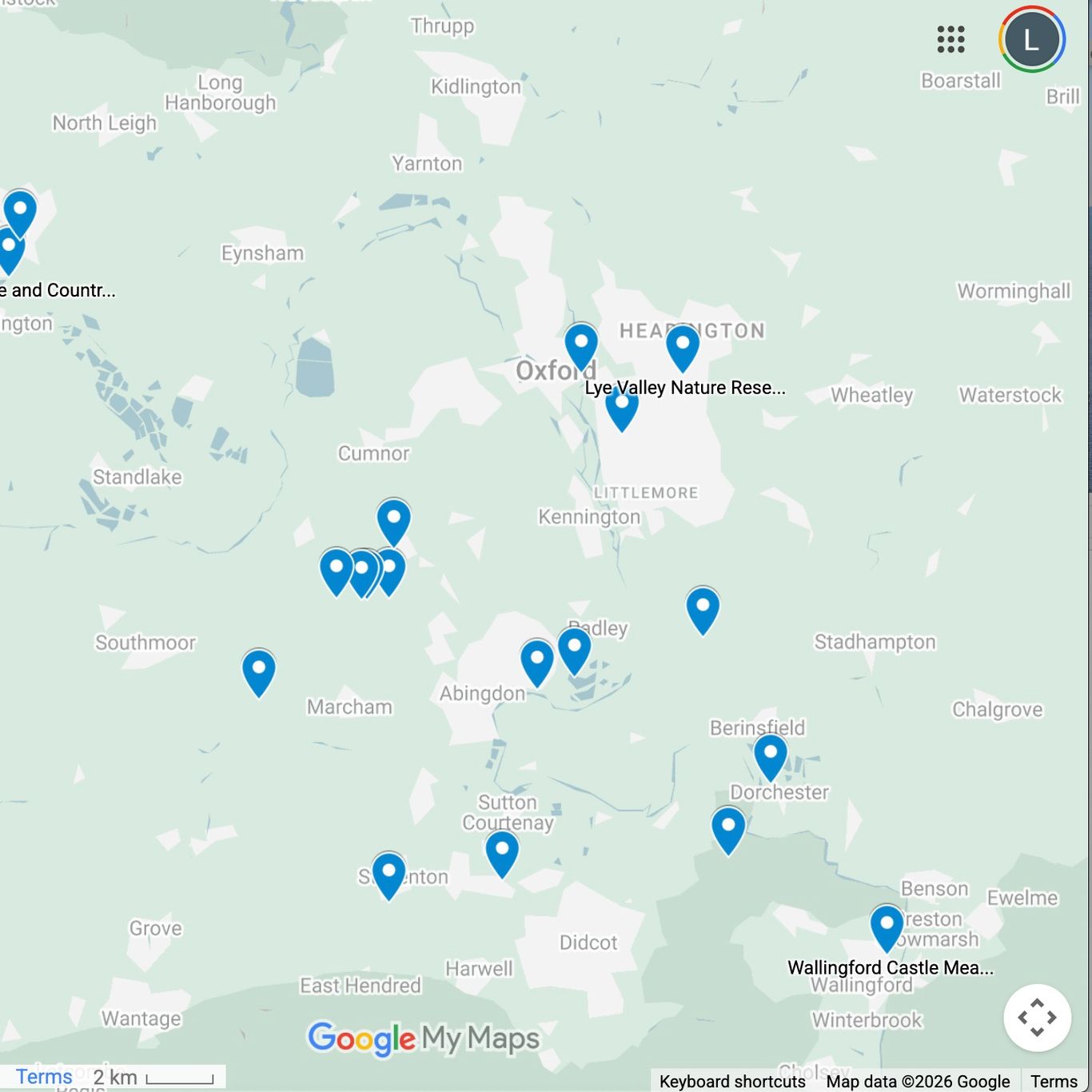
Please note - this map works best on desktop so that you can enjoy filtering by type of adventure, and clickable links.