Badger
🦡 Habitat: Woodlands, farmland, parks, hedgerows and grassland
📍 Found in Britain: Common throughout much of the UK
📏 Size: Around 60–90 cm long, weighing between 7–17 kg
🌿 Season: Seen all year round, although most active at night
🪱 Wildlife Connections: Feed on earthworms, insects, fruit and roots, helping to aerate soil and disperse seeds
👀 Look out for: Large sett entrances, piles of freshly dug soil, well-worn animal paths and distinctive black-and-white striped faces
🦸 Nature Superpower: Powerful claws allow badgers to dig extensive tunnel systems and uncover food hidden beneath the ground
✨ Fun Fact: Some badger setts have been used and expanded by generations of badgers for decades, and occasionally even centuries.
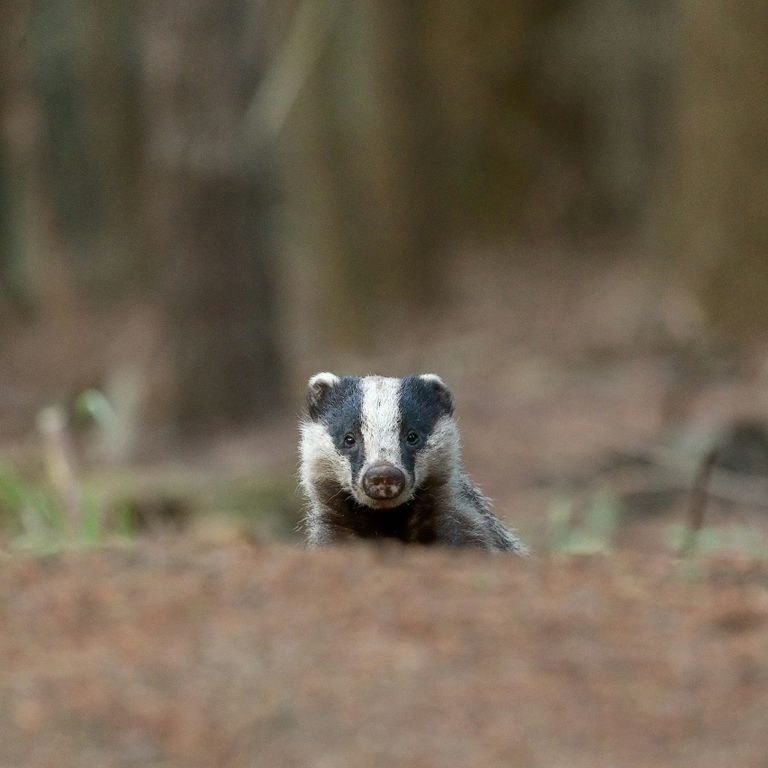
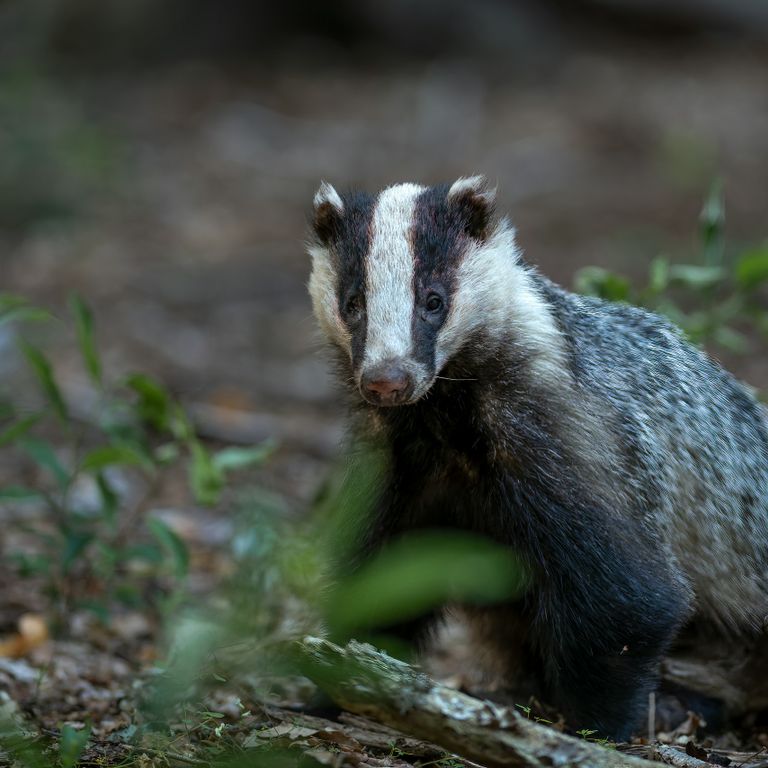
Britain's largest land predator and one of its most mysterious mammals. Look for enormous earthworks in the woods and you might have found a badger sett.
Badgers have been on our wildlife wish list for years. In fact, I may have accidentally made things worse.
When Little Leopard was younger, we were exploring Millennium Wood in Didcot when we came across an information board showing that badgers lived there. Naturally, he became determined to see one. Somehow, during the ensuing conversation, I agreed that if he sat quietly enough and a badger came out, I would buy him a giant fire engine. Five years later, we're still waiting for the badger. Thankfully, so is the fire engine.
Despite never actually seeing a wild badger, we've become surprisingly good at finding signs that they're around. One of the best clues is a badger sett. These are much more than simple burrows. They're vast underground homes, often with multiple entrances, tunnels, chambers and escape routes.
Whenever Little Leopard spots lots of earthworks in a woodland, he immediately announces that there must be badgers nearby. To be fair, he's often onto something.
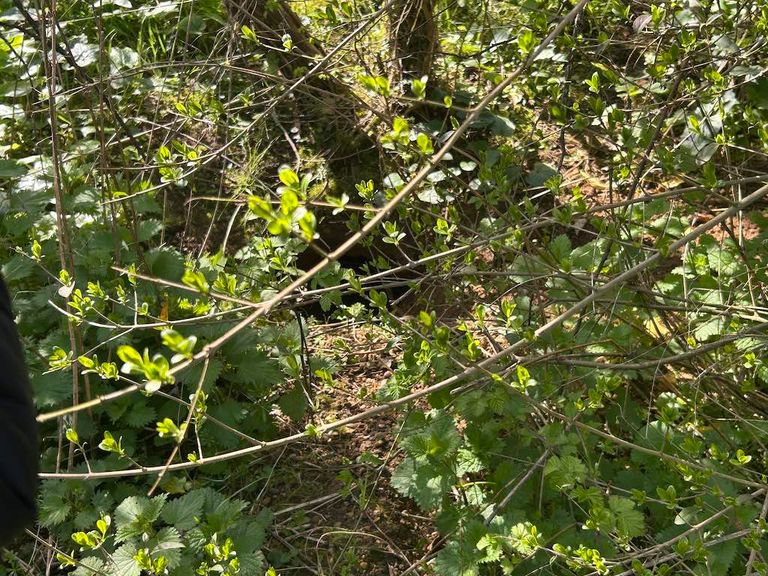
We've found badger setts at Barton Fields and around Didcot Railway Centre, and they're always impressive. The entrances can be much larger than you'd expect, often with heaps of freshly excavated soil piled outside.
One of the things I love most about badgers is how communal they are. Unlike many mammals, badgers often live in family groups known as clans. Several generations may share the same sett, working together to maintain and extend it over many years. Some setts have been occupied continuously for decades, and a few are thought to be hundreds of years old.
Imagine that. The tunnels beneath your feet may have been dug by the great-great-grandparents of the badgers still living there today.
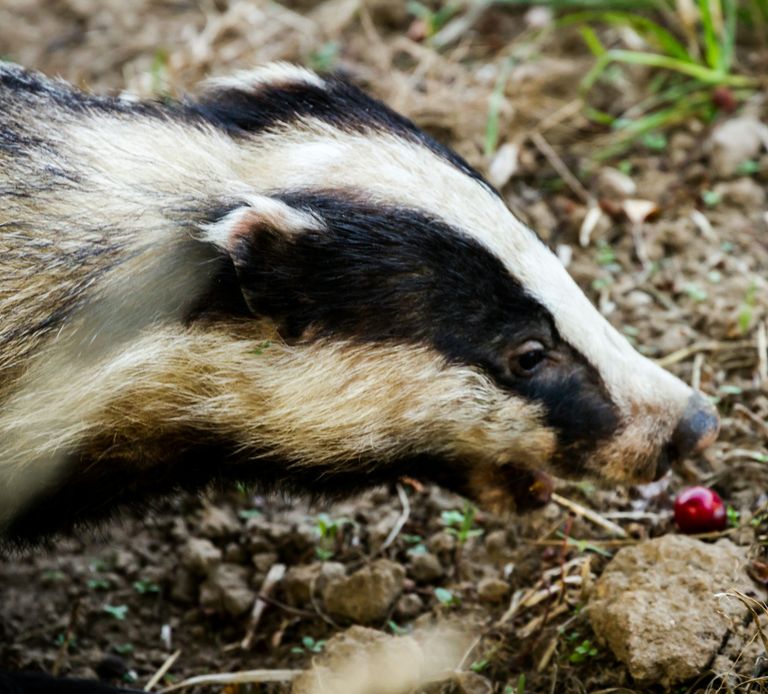
Badgers are primarily nocturnal, which is one reason they're so difficult to spot. While we're usually tucked up in bed, they're busy foraging for food. Earthworms make up much of their diet, but they'll also eat beetles, fruit, roots, bulbs and other small animals. Their powerful claws are perfectly adapted for digging, helping them uncover food and maintain their sprawling underground homes.
Although badgers can look rather chunky and slow, they're surprisingly strong and can run much faster than most people realise when they need to.
One day, I'm convinced we'll finally see one. Perhaps it'll happen at dusk beside a woodland edge, or maybe we'll be lucky enough to join a dedicated badger watch.
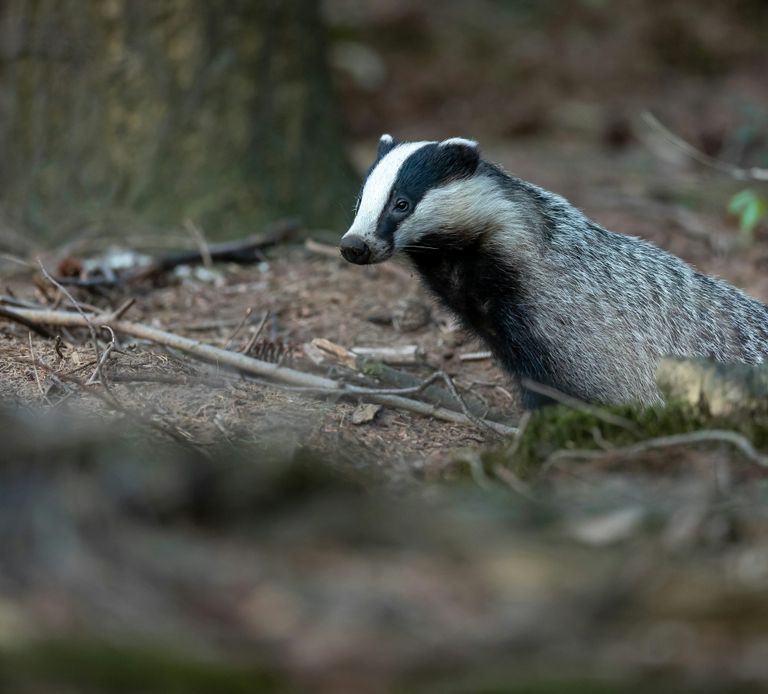
For anyone interested in learning more about badgers locally, the Oxfordshire Badger Group is a wonderful resource. They carry out conservation work across the county and organise their annual badger watching event at Sawmill Meadow in Wytham Woods, which sounds like an excellent opportunity to finally tick badgers off our wildlife wish list.
Until then, we'll continue looking for the clues they leave behind: fresh earthworks, well-worn paths through vegetation and the enormous setts that reveal just how much activity is taking place beneath the woodland floor.
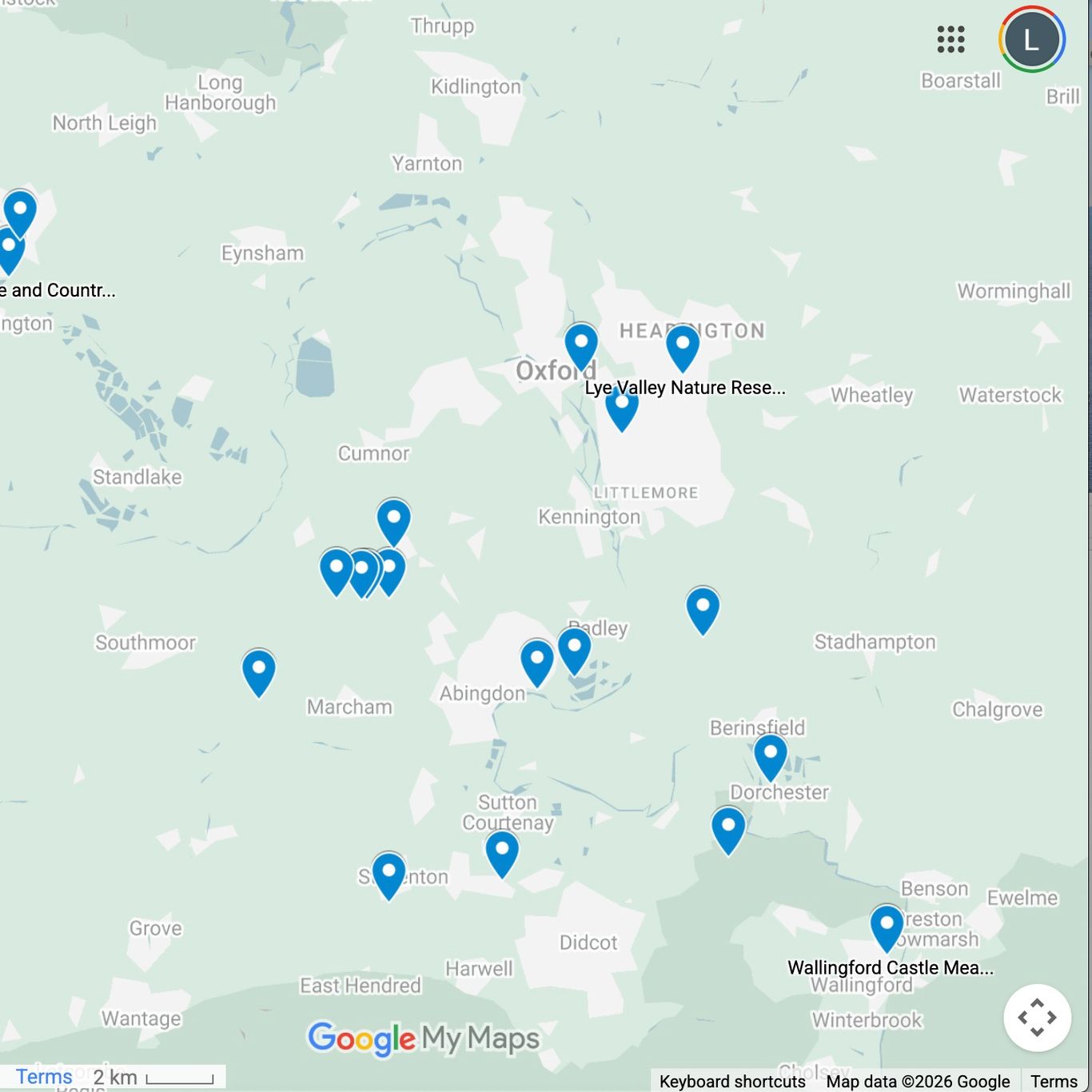
Where we spotted it
Why not try this Oxfordshire Nature Adventures to see if you can spy any badgers? Or head here for more inspiration
March 2026 · Nature Reserve · Event
Barton Fields
A guided walk around the nature reserve, bird watching, learning how to spot signs of animals and handling newts and slow worms.
Find your nearest Adventure
Please note - this map works best on desktop so that you can enjoy filtering by type of adventure, and clickable links.