Starling
🐦 Habitat: Gardens, parks, farmland, towns, woodland edges, reedbeds and coastal areas
📍 Found in Britain: Very common across the UK
📏 Size: Around 20–23 cm long, with a wingspan of 31–44 cm
🌿 Season: Seen all year round, but huge swirling flocks (called murmurations) are most spectacular in autumn and winter
🐛 Wildlife Connections: Feed on insects, spiders, worms, berries and fruit. They help control insect numbers and disperse seeds, while also providing food for birds of prey such as sparrowhawks and peregrine falcons
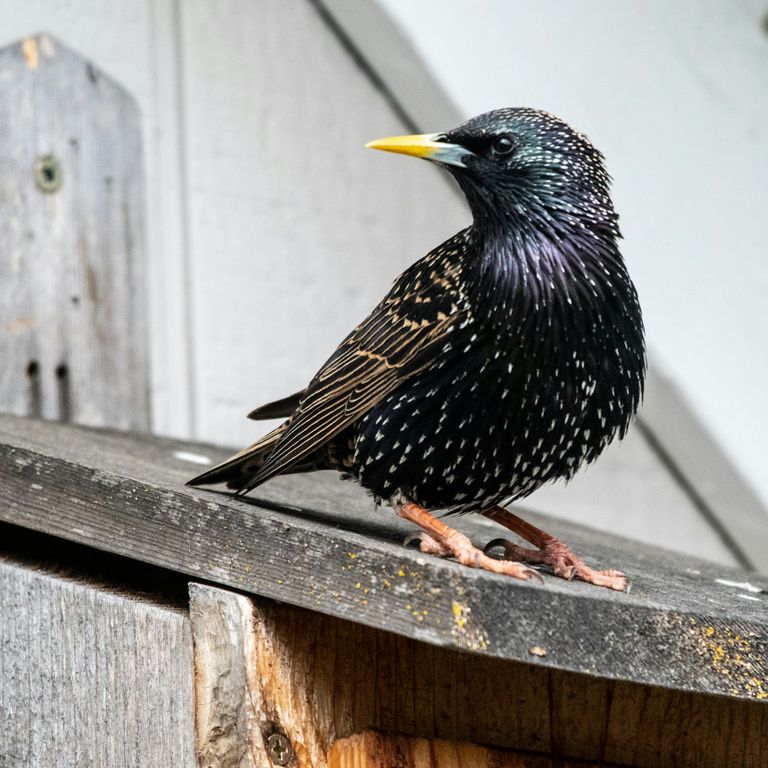
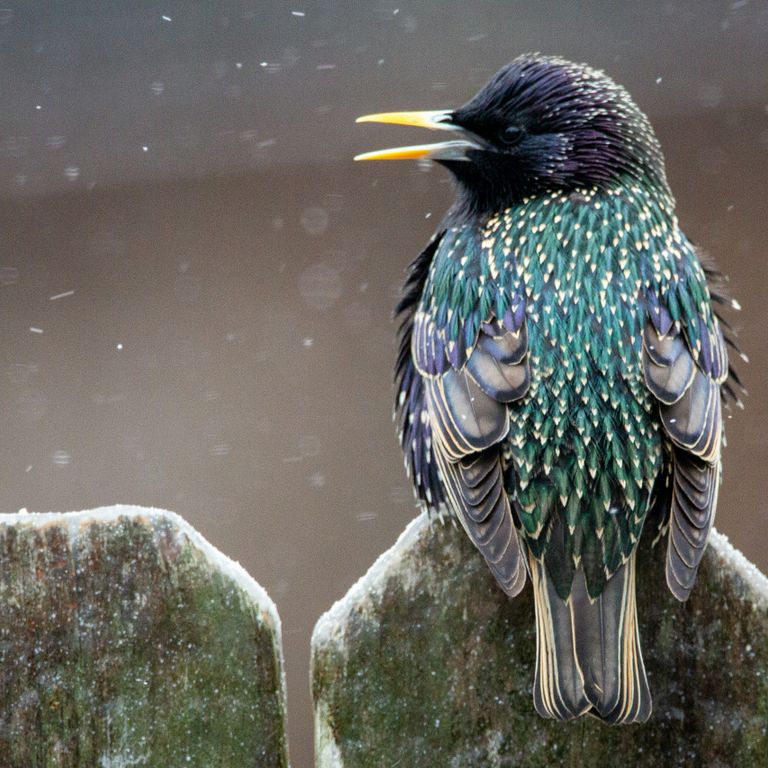
👀 Look out for: Glossy black feathers that shimmer with purple and green in the sunlight, pale speckles in winter, and their confident walk as they search for food on the ground
🛠 Special Adaptation: Starlings have an incredible ability to fly in perfectly coordinated murmurations, changing direction almost instantly to confuse predators
✨ Fun Fact: A murmuration can contain tens of thousands of starlings, twisting and swirling across the sky in ever-changing shapes before settling down to roost for the night.
The familiar little bird that does fabulous things.
A bird that everyone knows, they're noisy, they arrive in big gangs, and lots of people think of them as just another common garden bird. But I think they're blimmin' brilliant.
We see them often on the playing field at the school I work at. They'll arrive in little groups, marching across the grass with such confidence, stopping every now to pull a worm from the ground with their long beaks. Of course, the second my little learners spot the flock, they're off! Pelting at full speed towards them with squeals of excitement, sending the poor birds bursting up into the air all at once. The birds usually circle overhead for a few seconds before settling straight back down again a little further away to continue their hunt. I suspect the starlings are just as used to us as we are to them.
Although they often look plain black from a distance, have a closer look if the sun catches one. Their feathers shimmer with beautiful greens, purples and blues, almost like oil on water. In winter, they're covered in tiny pale speckles too, which is actually how they got their name – they look as though they're sprinkled with little stars.
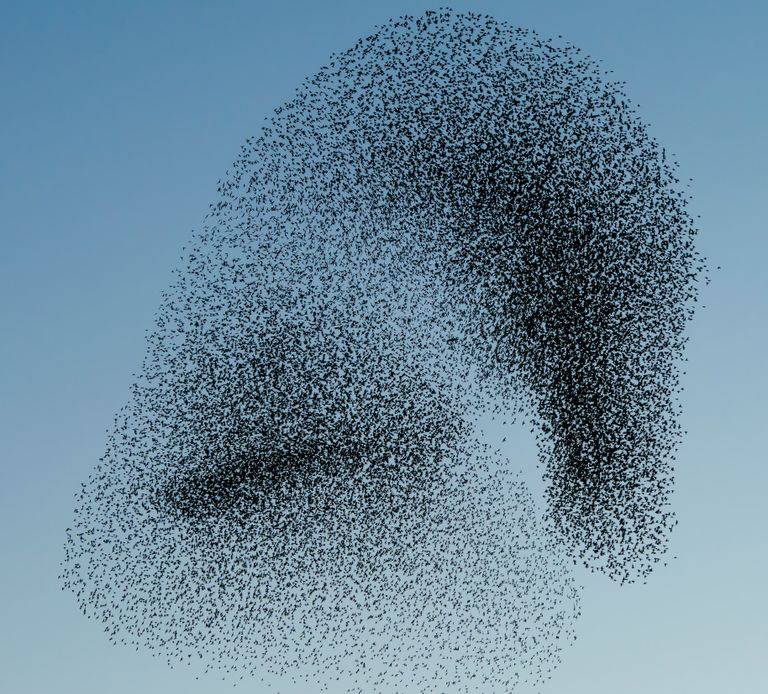
One of the cleverest things about starlings is the way they work together. Towards the end of the day, especially in autumn and winter, thousands of them gather before going to roost. They perform incredible aerial displays called murmurations, twisting and turning together in perfect synchrony. Scientists think this makes it much harder for birds of prey like sparrowhawks to catch one individual bird. If you've never seen one, it's well worth seeking out - it's one of Britain's greatest wildlife spectacles. RSPB Otmoor is an incredible place to watch this from, with signposted viewing points to help you get the best view.
Starlings are also brilliant mimics. They can copy the calls of other birds, imitate car alarms, mobile phone ringtones and all sorts of strange noises they hear around them. Each bird has its own collection of whistles, clicks and squeaks that it adds to its song.
Sadly, although we still see lots of starlings, their numbers have declined dramatically over the last few decades, especially in farmland. They need places to nest and healthy grassland full of insects and worms to feed their young.
So next time you see a little gang of glossy black birds striding across a field or lawn, stop for a moment before they notice you. Watch how they hunt, listen to their chatter, and if you're very lucky, maybe one evening you'll witness a murmuration. It's hard to believe that something so extraordinary is created by one of our most familiar birds.
Try a Nature Adventure
Why not try one of these Oxfordshire Nature Adventures to see if you can spot any starlings. Or head here for more inspiration
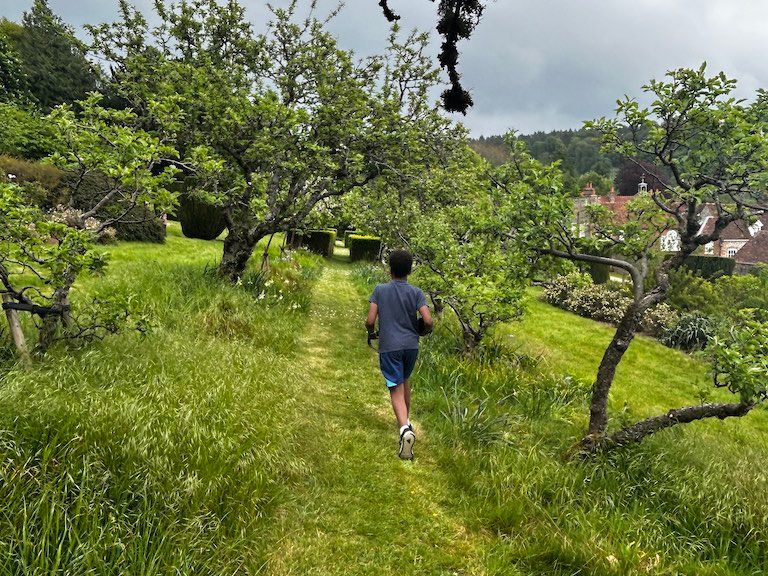
May 2026 · Nature Adventures · Parks and Gardens
Stonor Park
A fun-filled day spent exploring the adventure playground, spotting deer, getting up close with birds of prey and strolling round the gardens and arboretum.
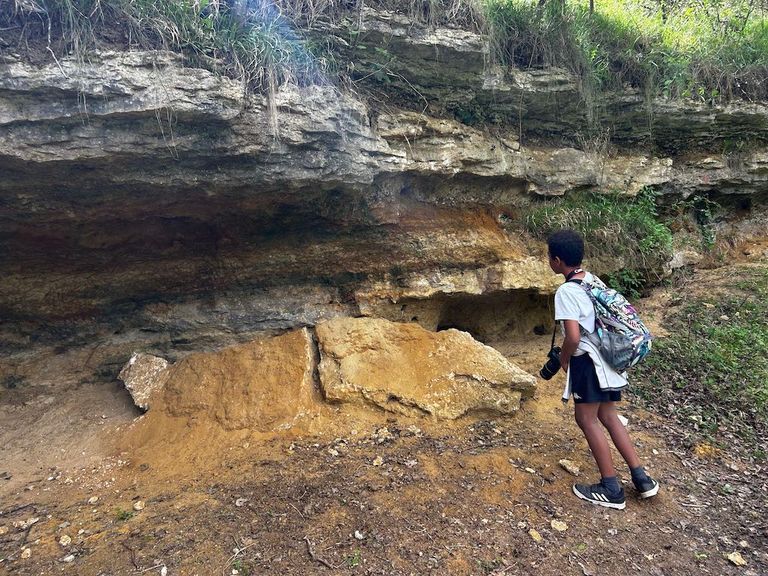
April 2026 · Nature Adventures · Nature Reserves
Cothill Fen
A distinctly Jurassic stroll through the most diverse area in Oxfordshire, taking in FIVE nature reserves. We saw solitary bees, fossils, woodpeckers and some impressive geology.
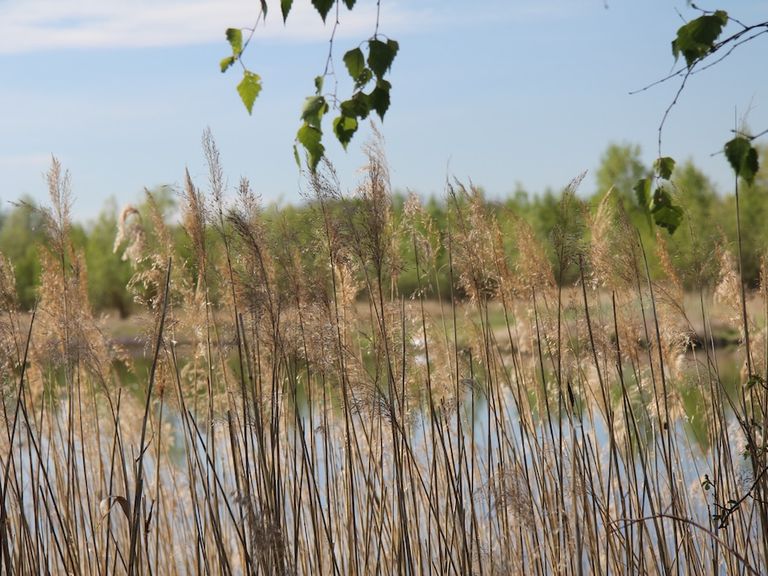
April 2026 · Nature Adventures · Nature Reserves
Thrupp Lake
A gorgeous walk from Radley Station to Abingdon under the sounding bridge, around the lake and through Barton Fields, hearing an astonishing number of birds.
Find your nearest Adventure
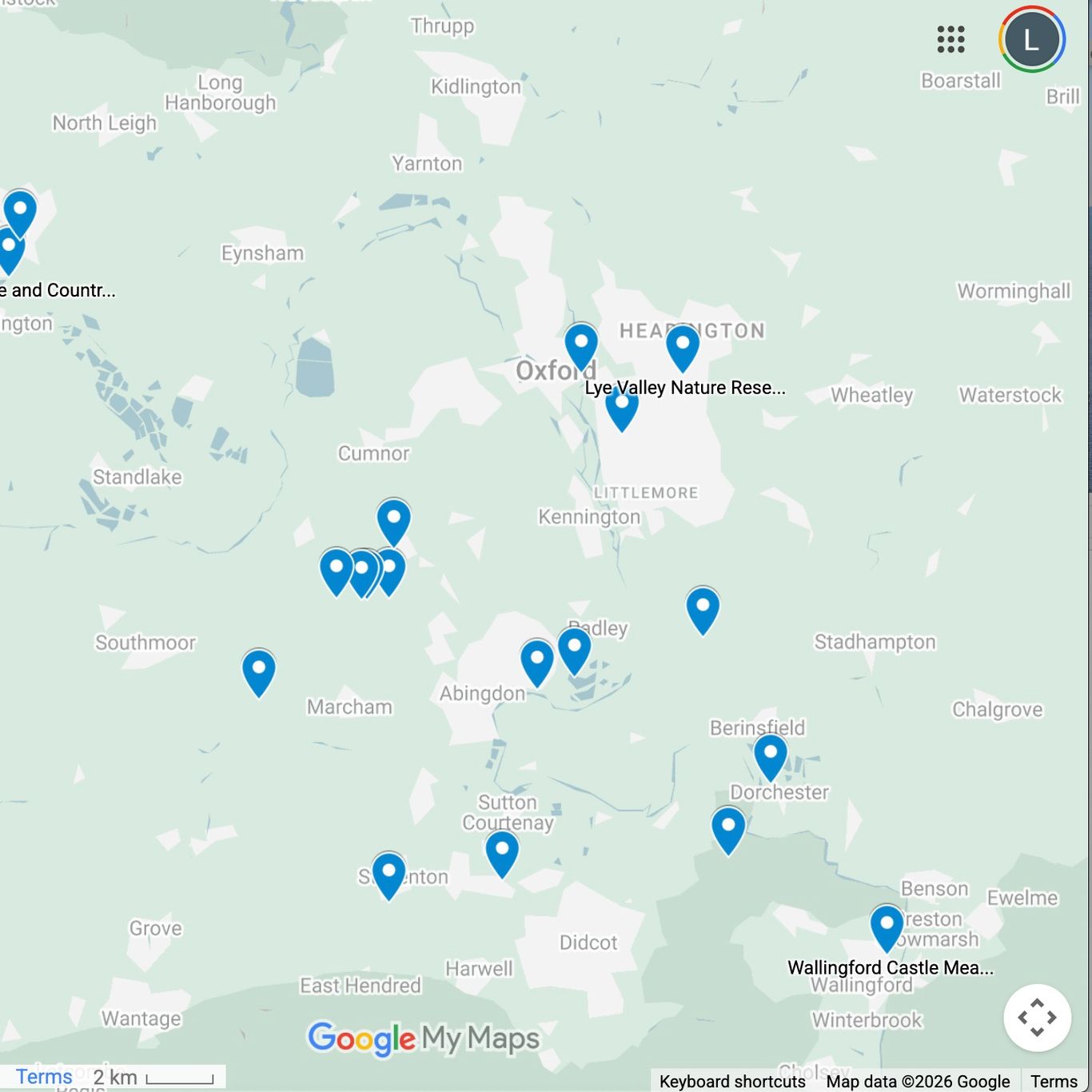
Please note - this map works best on desktop so that you can enjoy filtering by type of adventure, and clickable links.