Froghoppers
🌲 Habitat: Meadows, grasslands, gardens, hedgerows, woodland edges, roadside verges.
📍 Found in Britain: Very common across the UK
📏 Size: Adults are usually 5–7 mm long
🌿 Season: Most noticeable in spring and early summer when nymphs produce their frothy foam
🐝 Wildlife Connections: Feed on plant sap and provide food for birds, spiders, and other insect-eating animals
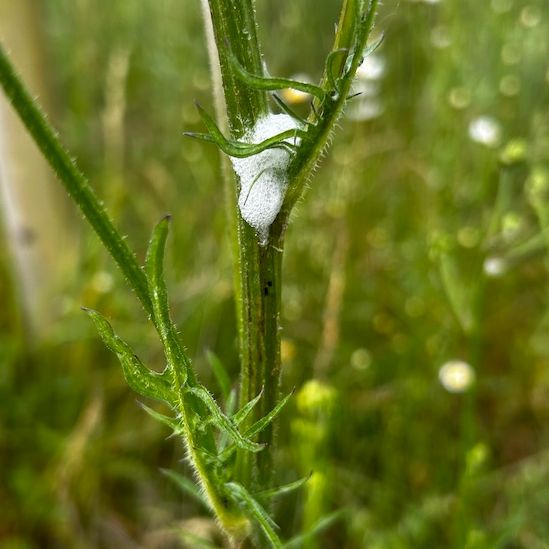
👀 Look out for: Small patches of frothy "cuckoo spit" on stems and leaves, often hiding a young froghopper inside
💧 Special Adaptation: The foam protects the nymph from predators, drying out, and temperature changes
✨ Fun Fact: A froghopper nymph creates its foamy shelter by mixing plant sap with air bubbles — it's not spit at all, despite the nickname "cuckoo spit"!
The bug that makes its own bubble wrap.
Oblivious as ever, when Little Leopard pointed out some frothy foam on plants a few weeks ago, I was stumped about what it was. It looked like spit, but what would be spitting on plants like that? Then a video popped up on my instagram about froghoppers (aka spittlebugs) which was incredibly helpful, especially as we now see it everywhere we go.
This foamy substance is known as "cuckoo-spit" and it houses the nymphs of froghoppers, keeping them protected from the elements, as well as predators. One predator is the parasitic wasp, which tries to lay its eggs inside the froghopper nymphs. When the baby wasp hatches, it eats its way out of the froghopper (so gruesome).
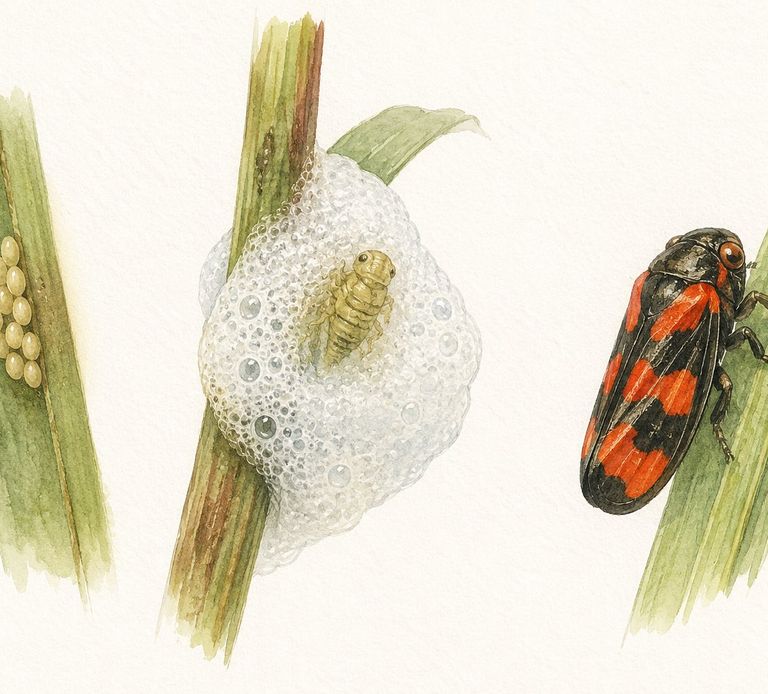
The nymph sucks on the plant sap, then extrudes it, bubbling it all around, helping to stop wasps from getting a good enough grip to be able to lay their eggs.
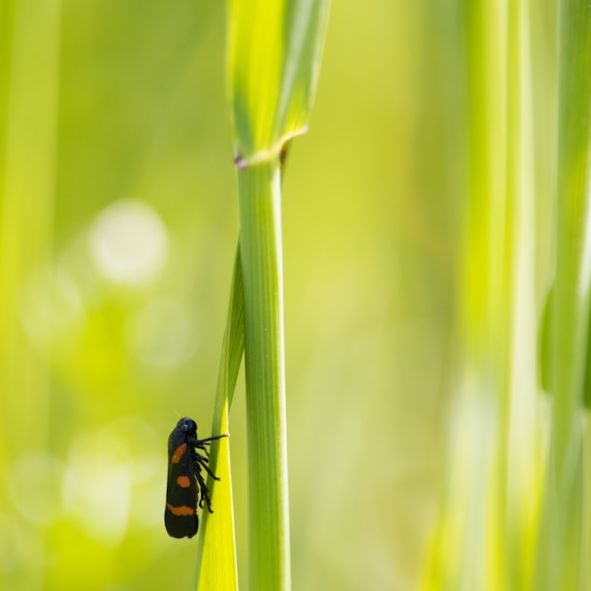
Adult common froghoppers are really cool. But tiny (5-7mm) so you have to really be looking closely to spot one. They can jump up to 70cm in the air, which is the equivalent of a human being able to jump over a tower block. It's so powerful, it creates a G-force of over 400 gravities.
The adults live for about 3 months, laying hundreds of eggs on a plant. The eggs hatch in spring, and then the nymph creates the cuckoo spit, and stays there for a couple of weeks. Finally, it hatches out of that casing, ready with its wings.
There's a few different species of froghopper in the UK that you might see. The common froghopper which is small and brown. There's also a meadow froghopper, and a red and black froghopper which is about double the size.
So next time you see some cuckoo spit on a plant, have a closer peek to see if you can see a tiny bug in the middle of the foam. Without disturbing it, we don't want to let those wasps in!
Try a Nature Adventure
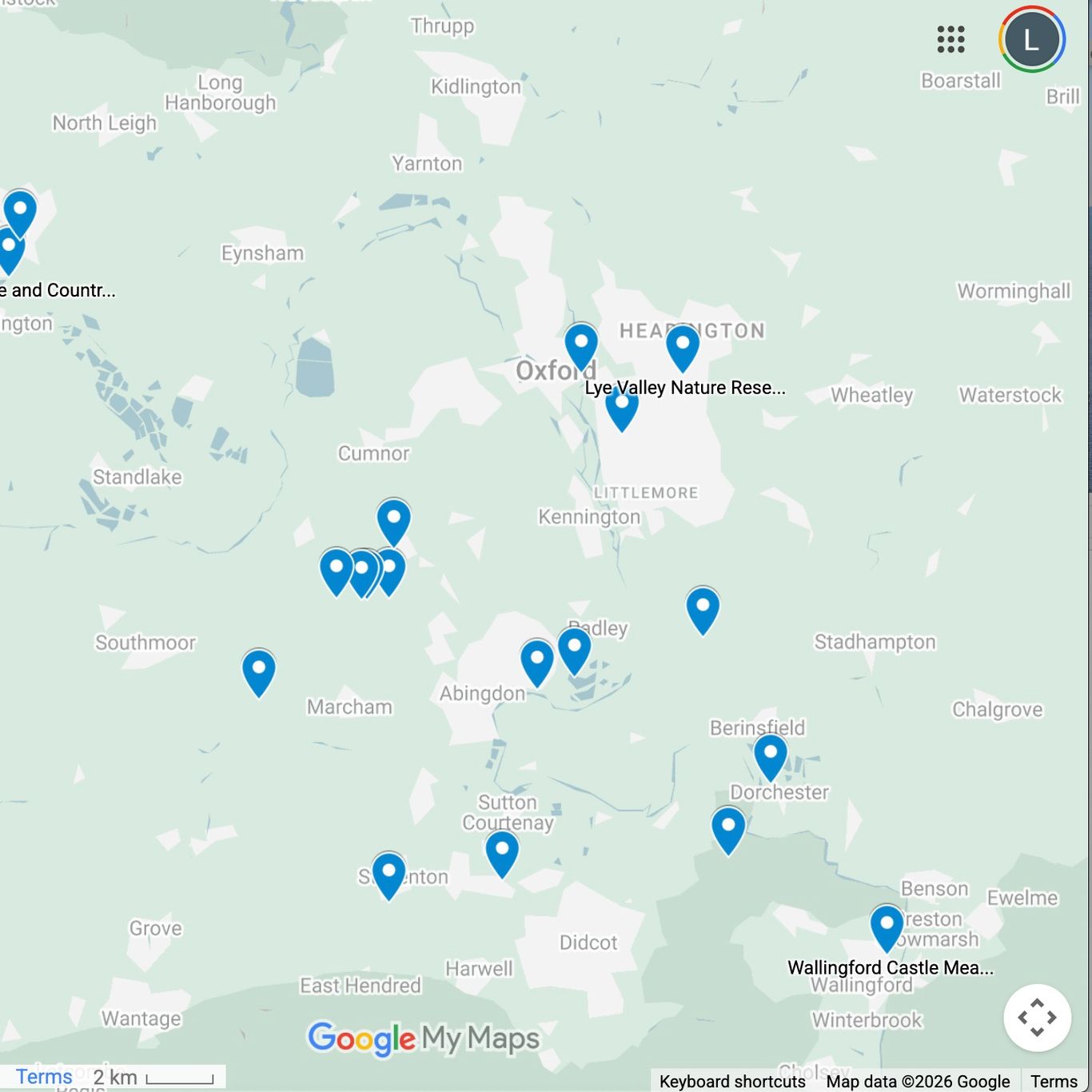
Why not try one of these Oxfordshire Nature Adventures to see if you can spot some froghoppers. Or head here for more inspiration
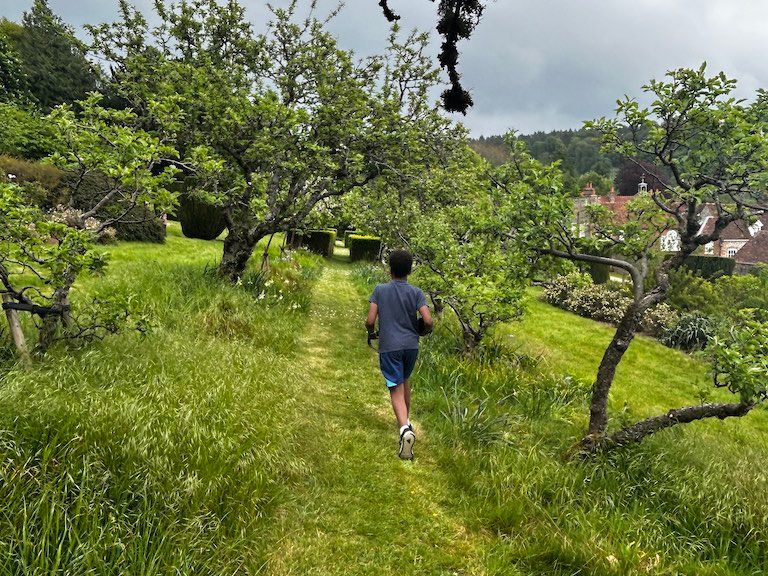
May 2026 · Nature Adventures · Parks and Gardens
Stonor Park
A fun-filled day spent exploring the adventure playground, spotting deer, getting up close with birds of prey and strolling round the gardens and arboretum.
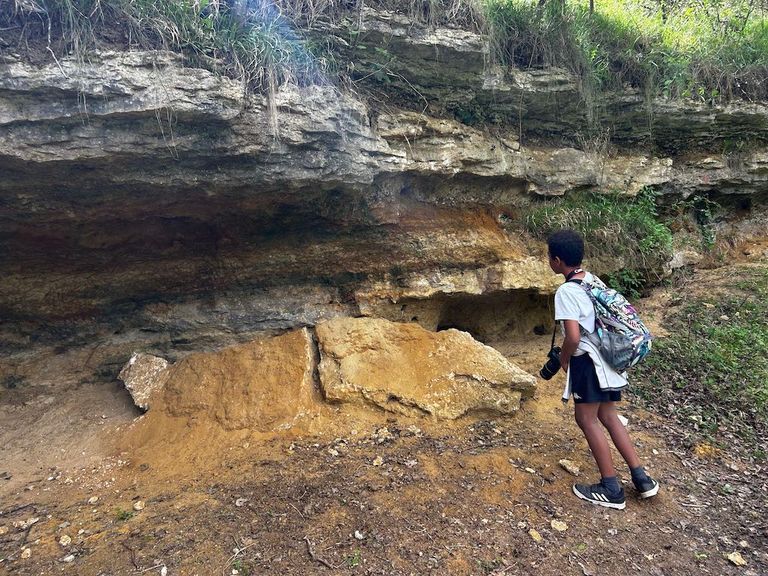
April 2026 · Nature Adventures · Nature Reserves
Cothill Fen
A distinctly Jurassic stroll through the most diverse area in Oxfordshire, taking in FIVE nature reserves. We saw solitary bees, fossils, woodpeckers and some impressive geology.
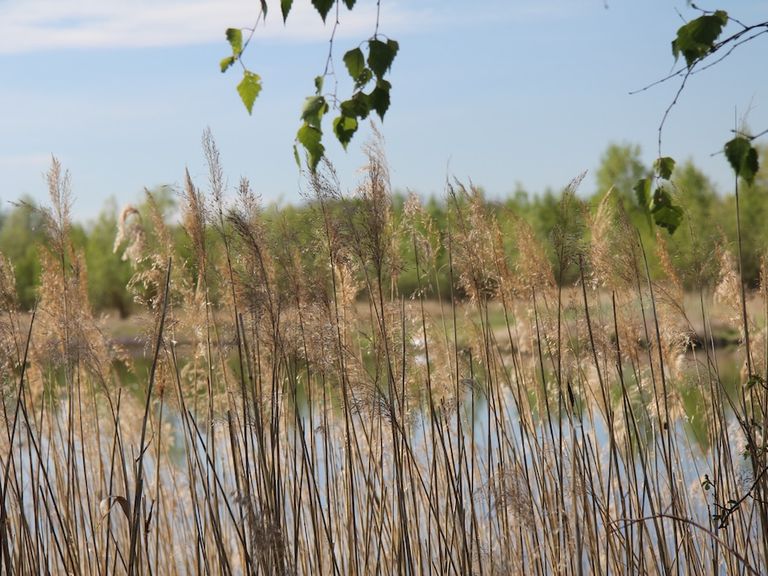
April 2026 · Nature Adventures · Nature Reserves
Thrupp Lake
A gorgeous walk from Radley Station to Abingdon under the sounding bridge, around the lake and through Barton Fields, hearing an astonishing number of birds.
Find your nearest Adventure
Please note - this map works best on desktop so that you can enjoy filtering by type of adventure, and clickable links.