Burgess Field
📍 Oxford
🌿 Nature Reserve
💷 Free
⏰ 1 - 2 hours
👣 Gentle Stroll
☕ No cafe or toilets
June 2026 · Nature Adventures · Nature Reserves
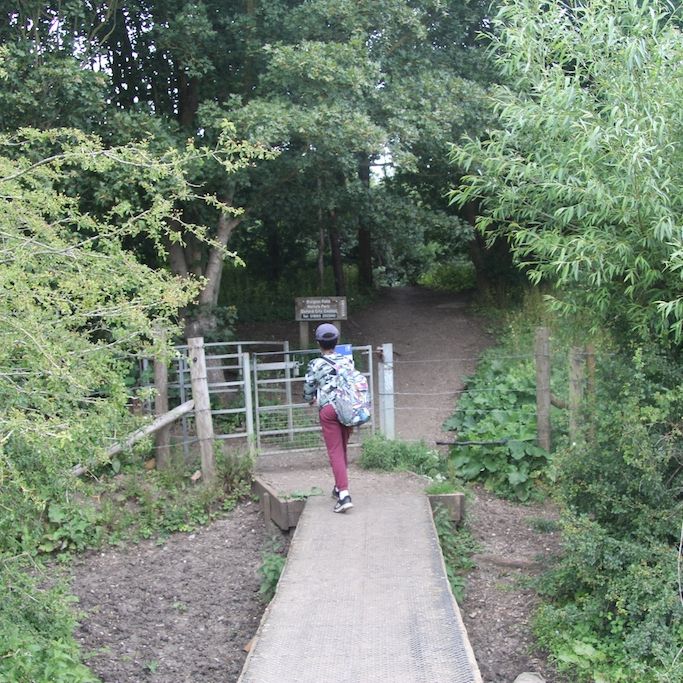
Enjoying the wild vibe, spotting treecreepers and keeping our eyes peeled for deer.
Burgess field is one of those places we've been to a few times, always combining it with another adventure, and always spotting very different things. The first time we went, a deer popped up close by us, and then darted off. Obviously every visit since, Little Leopard spends a long time looking out for more deer.
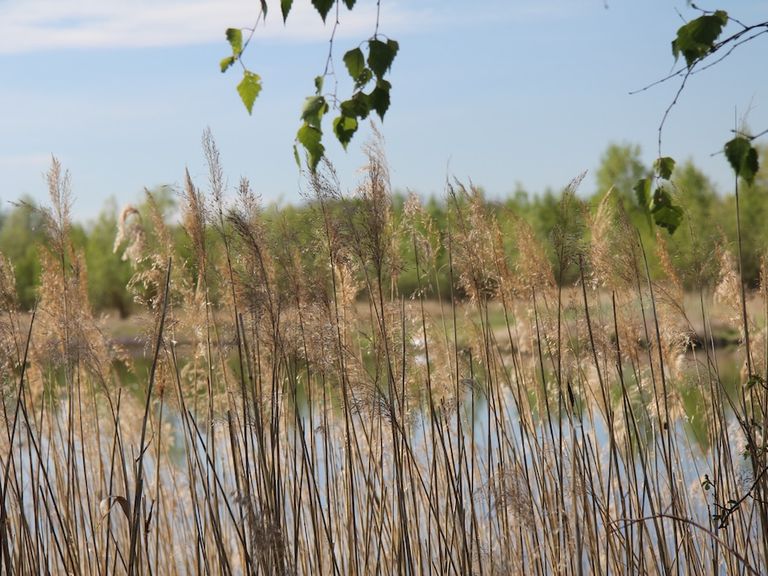
It's just as filled with wildlife as you'd expect from a nature reserve next door to Port Meadow and the Trap Grounds. I love the vibe here, it reminds me more of moorland somehow, denying its true history (it was the city's main landfill site until the 1980s).
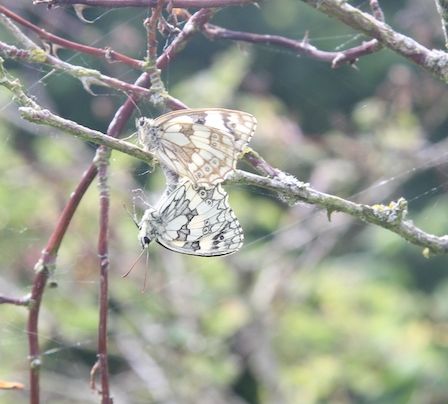
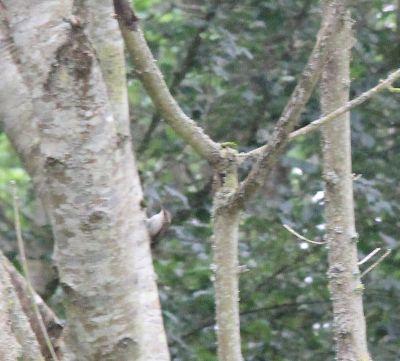
The mosaic of habitats includes meadow, grassland, scrub and small pockets of wood, all providing homes for animals small and large. I loved seeing these marbled white butterflies getting. . . aherm . . . intimate. I also loved not only spotting tree creepers darting down, and then spiralling up trees, but felt proud that a few months into our nature journey, we're able to ID the bird without the use of an app.
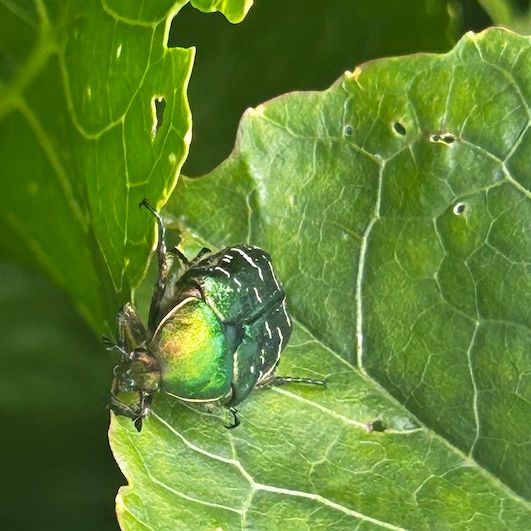
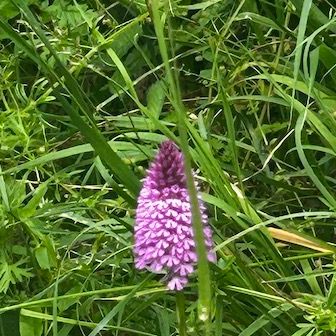
Little Leopard spent a long time fruitlessly on the look out for deer, spotting some beautiful insects along the way, including this gorgeous Rose Chafer. He also spotted a very vibrant pyramidal orchid.
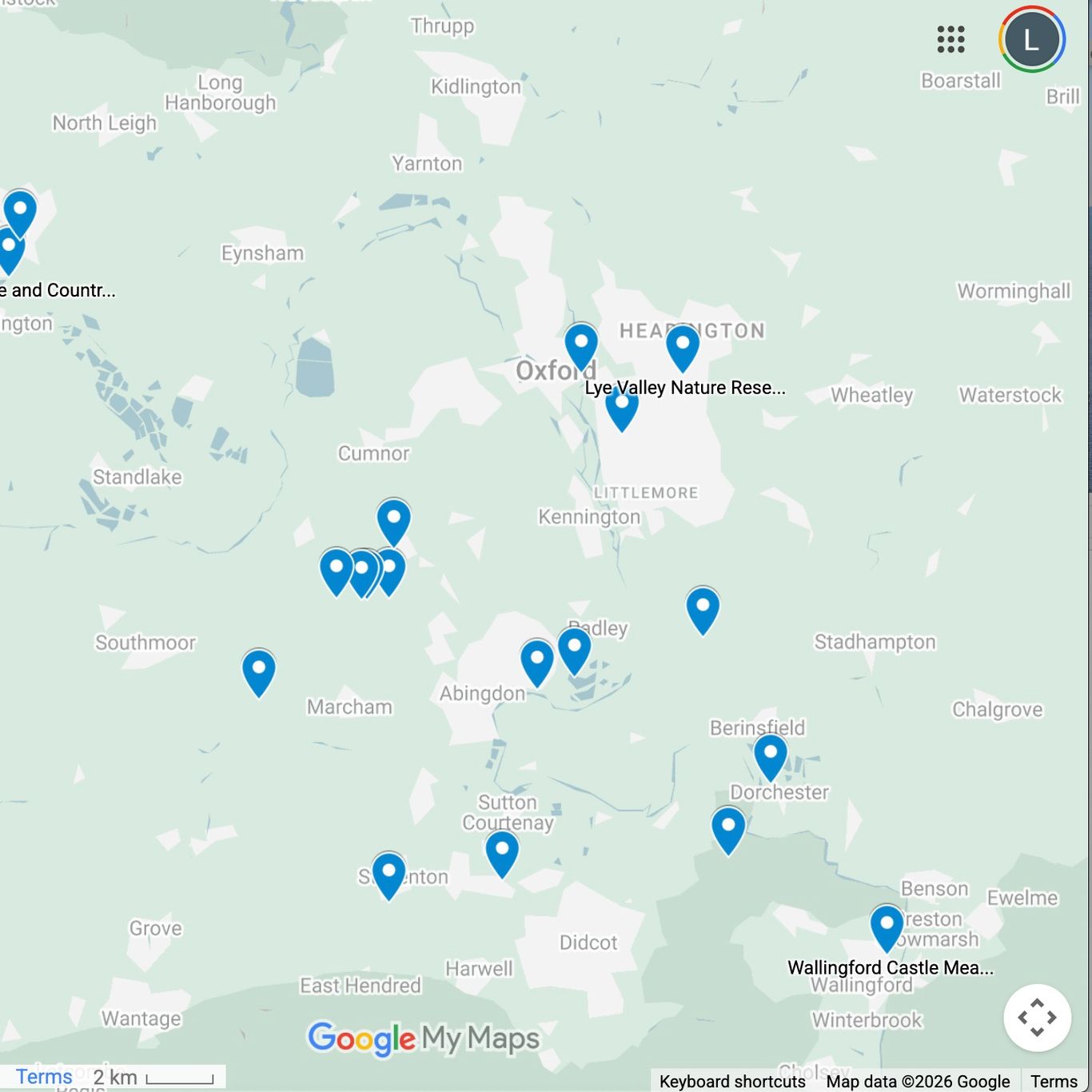
One thing he didn't love was my inability to find benches or tree stumps to perch on. I promised him a snack break, then struggled to remember where any benches were. When I couldn't take the whining anymore, we ended up sitting down in the middle of the path. So, for anyone else exploring with a hangry child, simply take a look at this map and it tells you where log benches are. (I live and learn . . .)
We combined our visit here with a trip to nearby Trap Grounds, and Port Meadow. The Botanic Garden, Museum of Natural History, and Cutteslowe and Sunnymead Park are all also nearby.
The nearest car park is Walton Well Road Car Park, you can then reach Burgess Field by walking through Port Meadow. Although, as with all adventures in Oxford I'd recommend walking, cycling or taking the bus.
Nature Notes
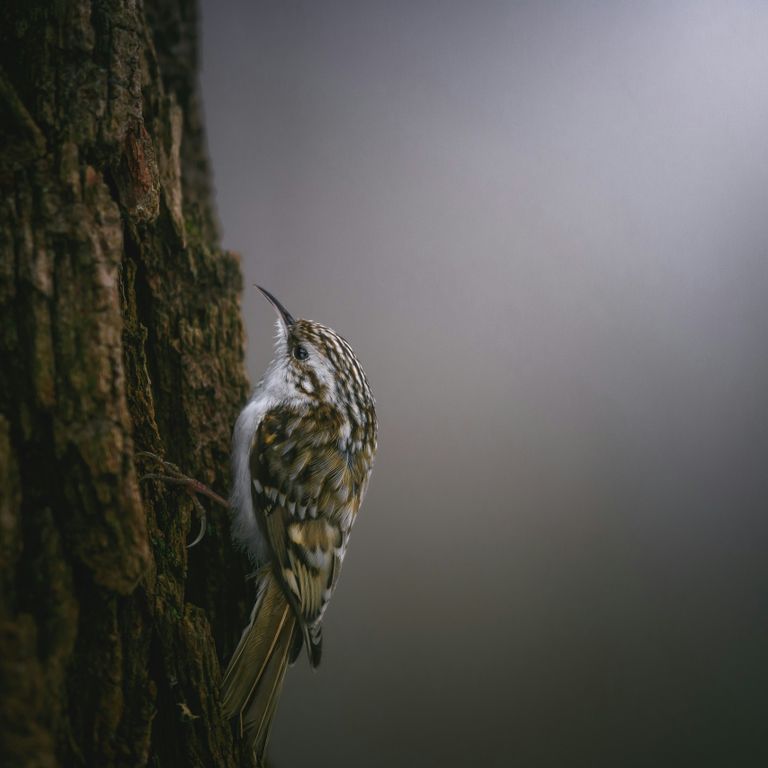
Tree Creeper
A tiny woodland bird that climbs up tree trunks searching for insects hidden in the bark
It has mottled brown feathers that provide excellent camouflage, helping it blend almost perfectly into the trees
Treecreepers use their long curved beaks to probe into cracks and crevices for spiders, insects, and their larvae
Unlike nuthatches, they only climb upwards, flying down to the base of another tree when they reach the top
They play an important role in woodland ecosystems by helping to control insect populations living in tree bark
Their thin, high-pitched call is often heard before they are seen, making them a rewarding challenge for patient nature explorers to spot.
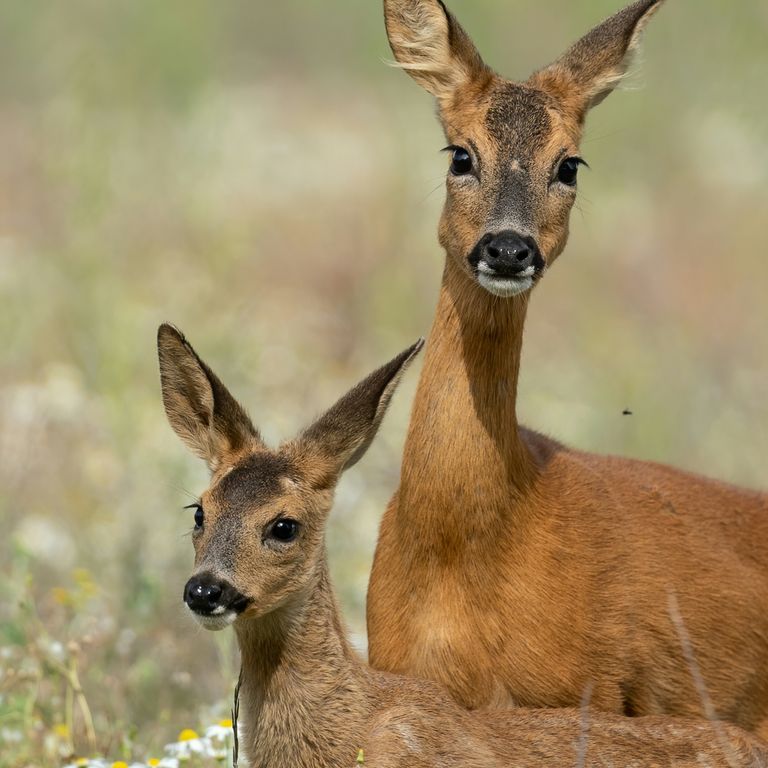
Roe Deer
A graceful woodland deer often seen at dawn or dusk in forests, meadows, farmland, and woodland edges
It has a reddish-brown coat in summer that changes to grey-brown in winter, helping it blend into its surroundings throughout the year
Roe deer are browsers, feeding on leaves, buds, grasses, wildflowers, and young shoots
They play an important role in shaping woodland habitats by influencing which plants and trees are able to grow
Unlike larger deer species, roe deer are usually solitary or found in small family groups rather than large herds
When startled, they bound away with distinctive springing leaps and may bark like a dog to warn other deer of danger.
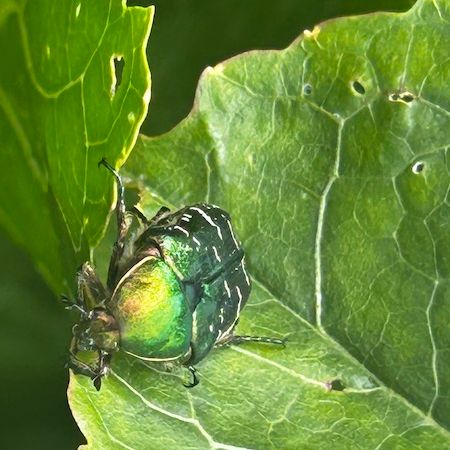
Rose Chafer
A beautiful metallic-green beetle often spotted on flowers in gardens, meadows, woodland edges, and grasslands during late spring and summer
Its shiny body can appear green, gold, or bronze in the sunlight, making it one of the UK's most eye-catching insects
Rose chafers feed on pollen, nectar, and flower petals, and are commonly seen visiting roses, daisies, and other flowering plants
The larvae spend up to two years developing underground, where they help break down decaying plant material
Despite occasionally nibbling flowers, rose chafers play an important role in ecosystems by recycling nutrients and visiting many different blooms
When disturbed, they can fly surprisingly well, producing a distinctive buzzing sound as they move between flowers.
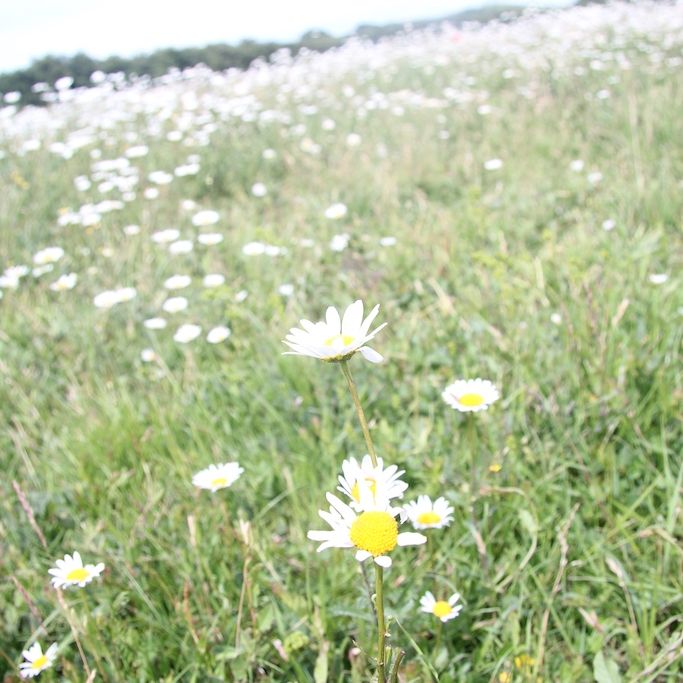
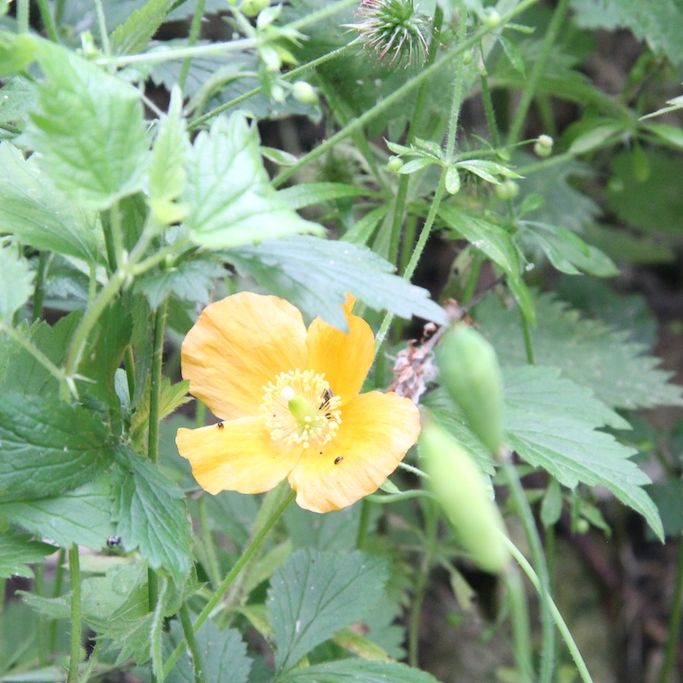
A great place to spot wildlife, big and small. close to the city
Address: Access via Port Meadow/ nearby Aristotle Lane
Parking: Nearest Car Park - Walton Well Road. Walking, cycling or the bus is advised.
Opening Hours: Always Open
Entry Fee: Free
Website: friendsofburgessfield.co.uk
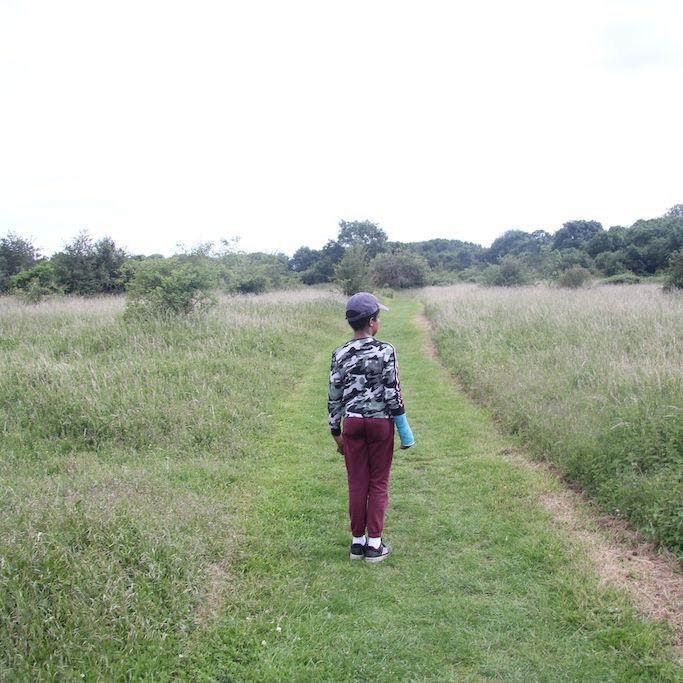
More Nature Adventures
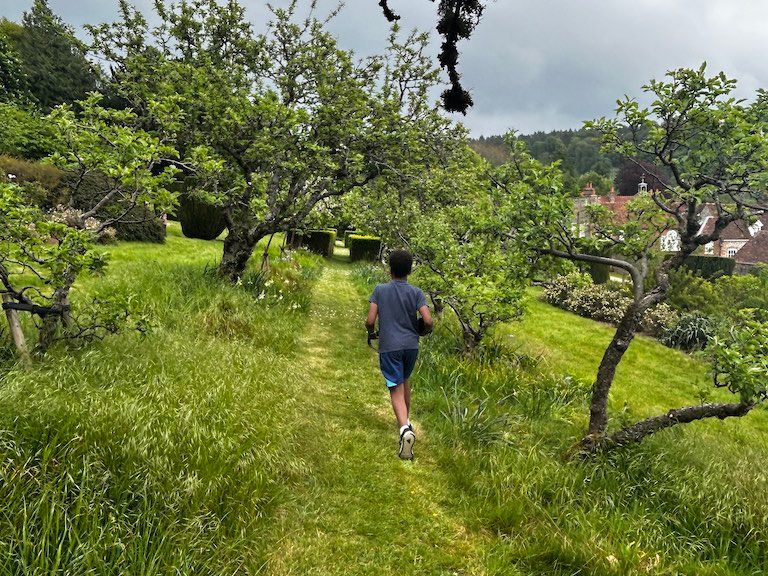
Nature Adventures · Parks and Gardens
Stonor Park
A fun-filled day spent exploring the adventure playground, spotting deer, getting up close with birds of prey and strolling round the gardens and arboretum.
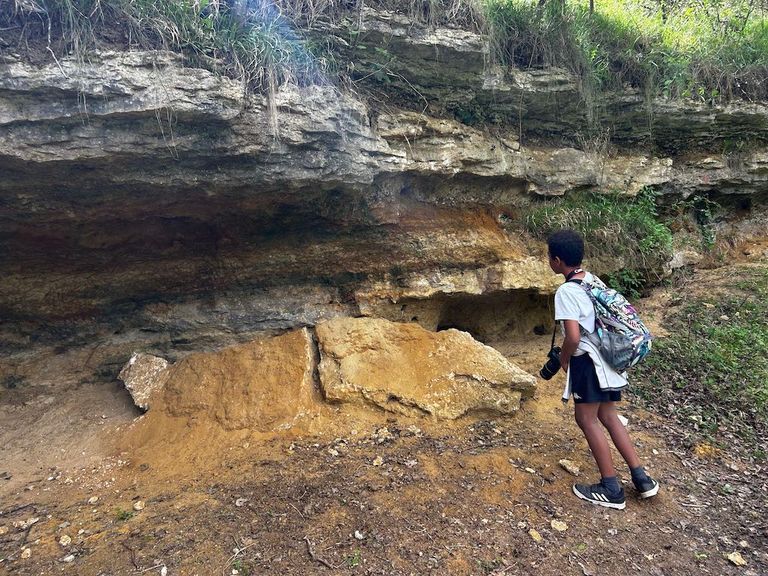
Nature Adventures · Nature Reserves
Cothill Fen
A distinctly Jurassic stroll through the most diverse area in Oxfordshire, taking in FIVE nature reserves. We saw solitary bees, fossils, woodpeckers and some impressive geology.
Nature Adventures · Nature Reserves
Thrupp Lake
A gorgeous walk from Radley Station to Abingdon under the sounding bridge, around the lake and through Barton Fields, hearing an astonishing number of birds.
Find your nearest Adventure
Please note - this map works best on desktop so that you can enjoy filtering by type of adventure, and clickable links.