Cuckoo-Pint
Nature Snapshot
🌿 Habitat: Hedgerows, woodland edges, damp shady places
📍 Found in Britain: Common
📏 Height: 10–40cm
🌸 Season: Flowers April–June
🐝 Wildlife Connections: Attracts flies with its unusual scent
👀 Look out for: Hooded green flower and clusters of bright red berries later in the year
⚠️ Warning: Poisonous if eaten
✨ Fun Fact: Also called “Lords-and-Ladies” and “Jack in the Pulpit”
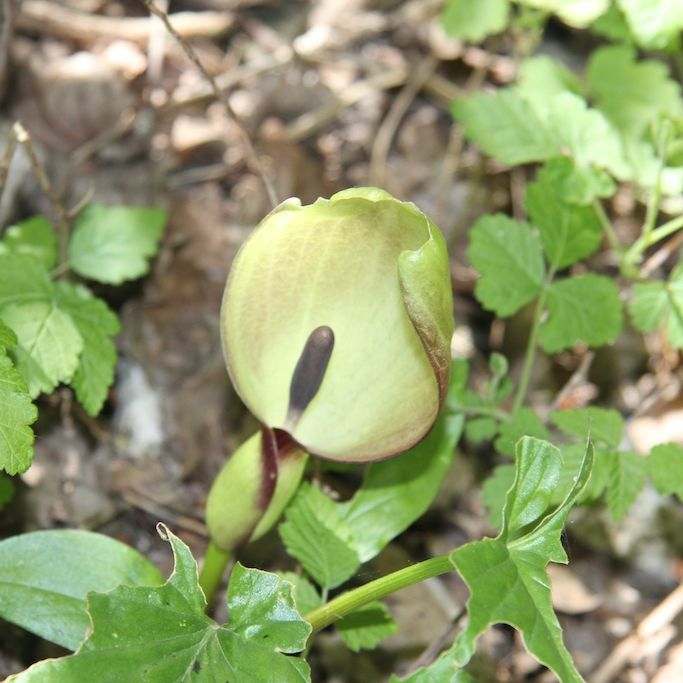
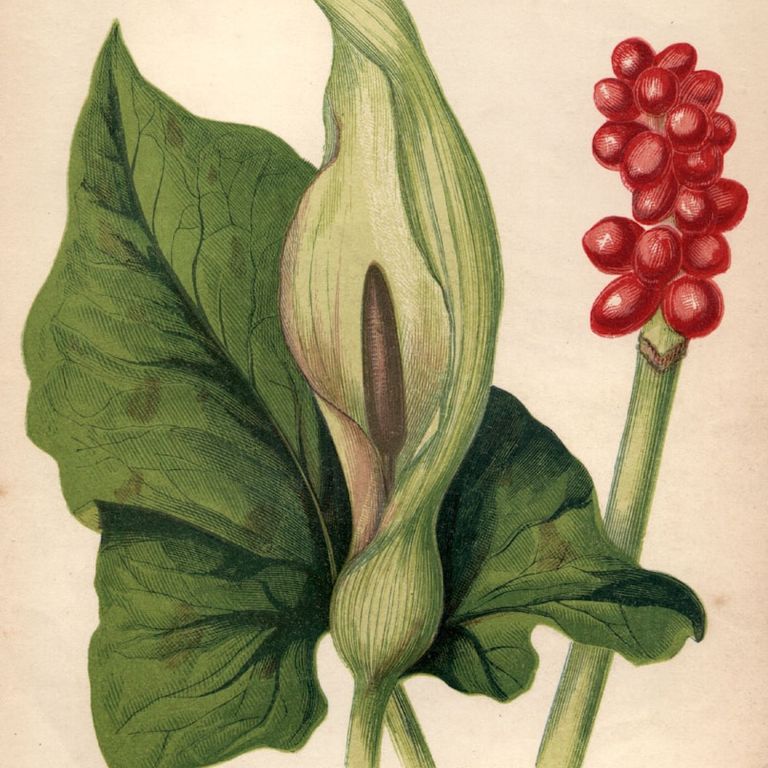
The sneaky pollinator that sparked a thousand names.
Little Leopard first spotted this great little plant in Dry Sandford Pit. We wondered if it could be some kind of carniverous plant, since the shape resembled the pitchers we'd seen at the Botanic Garden.
A quick check on my PictureThis app told me that it's actually a Cuckoo-pint, aka Lords and Ladies, cows and bulls, and loads of other names that I don't want to put here because this is a family website, but are inspired by the plants resemblance to . . . well, you know . . .
A native, perennial wildflower, living in hedges, woods, farms and gardens, once you know what you're looking for you'll see it everywhere. That hood that we saw in spring will grow into a taller spike up to 50cm tall, with red berries for blackbirds and thrushes to feast on.
All parts of the plant are poisonous, but their leaves were used centuries ago as anti aging creams, and to burn off warts. During the Elizabethan age, the starch from the tubers was used to stiffen the fabulous ruffs. The method was stopped because it was too painful for the washerwomen.
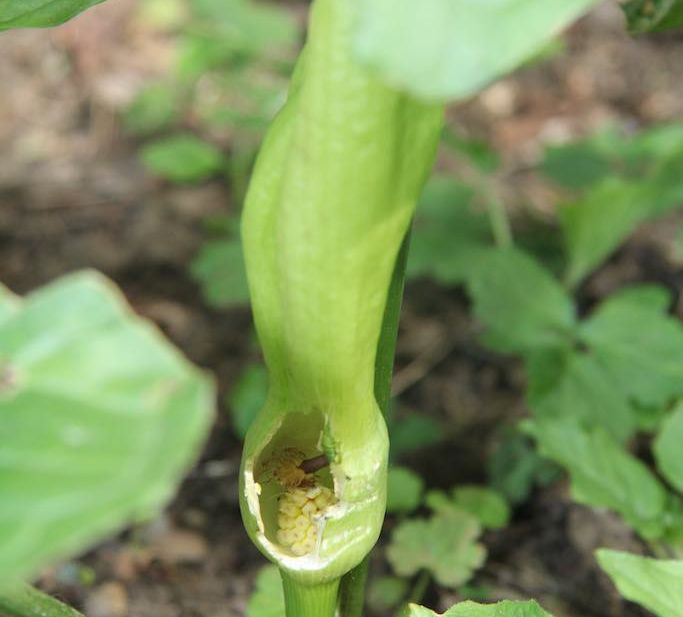
It's a very clever little plant, and it's resemblance to carniverous ones isn't totally off point, it is a fy catcher, but uses its prey temporarily to pollinate, rather than eat. The spadex (pointy bit in the middle) gives off a gross rotting-meat style smell, which attracts flies. The insects fly downwards into the chamber with the female flower where they are trapped with downward pointing bristles. That night, the male flowers rain pollen down on them. The next day, the bristles wilt, releasing the flies to go off and pollinate other cuckoo-pints.
Wildcard Fact: The pollen glows very slightly in the dark, so an old irish myth says that they are fairy lamps.